
Table of Contents
Why Cuenca is a Cultural Must-Visit
Cuenca’s UNESCO-listed historic center is a living museum: colonial churches, riverside promenades and plazas lined with cafes. But beyond the postcard views, the city hums with museums, artist-run galleries and festivals that celebrate Indigenous heritage, contemporary art and centuries-old craft traditions. Whether you have a weekend or a month, Cuenca offers layers of culture to explore—each one revealing a different side of Ecuador’s southern highlands.
Start at the Big One: Museo Pumapungo
No cultural itinerary in Cuenca is complete without Museo Pumapungo. Run by the national cultural institute, this is part museum, part archaeological park. Inside you’ll find ethnographic exhibits on indigenous cultures of the Andes and Amazon, a well-curated collection of pre-Columbian artifacts, and rotating displays that connect local traditions with contemporary life.
Beyond the galleries, the Pumapungo grounds contain 16th-century ruins, reconstructed tombs and botanical areas showcasing regional plants. It’s a perfect blend of indoor exhibits and outdoor exploration—ideal for people who want context for the crafts and stories they’ll encounter elsewhere in the city.
Practical tips for Pumapungo
- Go in the morning when light is best for photographs and the site is cooler for walking.
- Allow at least 90–120 minutes to see the galleries and ruins; add more time if you want to read exhibition labels closely.
- There is often a modest entrance fee; students and seniors typically receive discounts.
Historic and Religious Art: Convents and Cathedral Museums
Cuenca’s religious institutions are repositories of colonial art. Small museum spaces inside former convents and chapels display sacred paintings, opulent silverwork and devotional garments that tell a story of the city’s Spanish-era past and local reinterpretations of faith.
One of the delights of visiting these places is the intimacy: you’ll often be alone with an elderly attendant who can explain the provenance of a painting or the ritual use of a piece of metalwork. These museums are compact but rich—perfect for art lovers who like close-up encounters with craftsmanship.
Modern and Contemporary: Galleries to Seek Out
Cuenca’s contemporary-art scene is surprisingly lively. Small galleries and artist-run spaces along Calle Larga and side streets host changing exhibitions by emerging Ecuadorian artists and occasional international shows. These venues are great for discovering new media—installation, experimental photography and mixed-media work that contrasts with the colonial collections.
Look for evening openings (vernissages) where you can meet artists, sip wine and hear short talks about the works. Many galleries also sell reasonably priced prints and small pieces, making it easy to take home a unique souvenir.
Gallery-walking tips
- Start on Calle Larga and work outward toward Parque Calderón—many galleries are clustered in this area.
- Bring cash: smaller galleries and studios often prefer cash for purchases.
- If you see an artist at work in a studio, ask politely about a studio visit—most artists are happy to show their process.
Hands-On Culture: Workshops, Craft Markets and the Toquilla Hat Tradition
Cuenca is a hub for crafts from the Azuay region, and participating in a workshop is one of the most rewarding cultural experiences. You can take short courses in toquilla hat braiding, ceramics, textile weaving and enamel jewelry. Many workshops are taught by local artisans who explain the techniques and cultural significance behind their crafts.
The famous “Panama” hat (toquilla hat) actually originates in Ecuador. Cuenca’s markets and atelier shops offer demonstrations of the weaving process and sell hats at varying grades of fineness. Watching a spinner and a weaver bring raw straw to a finished hat gives a much deeper appreciation than buying a hat from a tourist stall.
Markets and Everyday Culture: Where to Feel the City’s Pulse
Markets in Cuenca are part social center, part museum of living craft. The central produce and flower markets show local culinary culture, while the artisan markets specialize in textiles, carved wood, silver and hats. Strolling through these markets is a study in materials, colors and the interplay between tradition and commerce.
Look for vendors who still use time-honored techniques—spinning alpaca wool, hand-loomed belts or silver-smithing with traditional tools. These encounters are ideal for asking practical questions about materials, origin and care of items you might buy.
Festivals and Annual Highlights
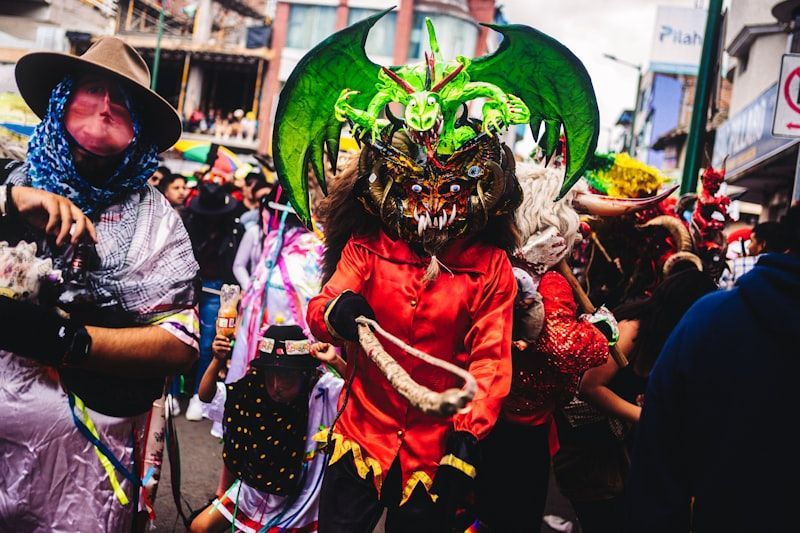
Cuenca’s calendar is dotted with festivals that reflect both Indigenous rhythms and colonial traditions. If you can time your visit to match an event, you’ll see the city come alive with parades, music, dance and food.
- Independence Celebrations (early November) – Elaborate parades, civic ceremonies and cultural performances mark Cuenca’s historic independence. Streets near Parque Calderón bustle with bands and dancers.
- Semana Santa (Holy Week) – Deeply felt religious observances include processions and painted alfombras (sawdust carpets) that are both pious and visually striking.
- Local craft fairs and weekend artisan markets – Often held near major museum sites and plazas, these are the best places to meet makers directly.
Because festival dates and formats can change, check local listings or ask at your hotel for up-to-date schedules. Small, unofficial neighborhood fiestas pop up throughout the year—these are often the most authentic celebrations.
Performing Arts: Theater, Dance and Live Music
Cuenca hosts a mix of traditional music nights and contemporary live performances. The municipal theater stages locally produced plays, dance recitals and touring shows. For jazz or acoustic sets, seek out small cafes and cultural centers—they frequently program intimate evenings with excellent musicians.
Street performances also enliven the riverside paths at dusk: from classical guitarists beside the Tomebamba to brass bands on special occasions. If you’re interested in attending a show, book ahead for theater productions during festival weeks when seats sell out quickly.
Neighborhoods to Explore for Culture
Exploring by neighborhood is a pleasant way to absorb the city’s cultural geography. The Historic Center (Centro Histórico) contains the major museums and most classical architecture; Barrio El Vecino and the area along the Tomebamba river hold quieter galleries and ateliers; and neighborhoods around Calle Larga offer a lively mix of cafes, artisan shops and weekend markets.
Walking is the best way to discover tucked-away galleries and multi-purpose cultural centers. Allow yourself to get turned around—many of the best finds are in alleys and courtyards you wouldn’t see from a guidebook.
How to Plan Your Time: A Two-Day Cultural Itinerary
Day 1: Morning at Museo Pumapungo to ground yourself in pre-Columbian and indigenous cultures; lunch at a nearby market to try local dishes; afternoon visiting a convent museum and the Cathedral Museum; evening at a small gallery opening or a live music café.
Day 2: Start with a hat-weaving or ceramics workshop; late morning walk through artisan markets near Calle Larga; early afternoon visit to a contemporary gallery; finish with a performance at the municipal theater or an outdoor concert near the river.
Smart Visitor Tips: Tickets, Accessibility and Language
- Check opening hours in advance—many small museums close one weekday.
- Bring a Spanish dictionary app. English is common in tourist spots but gallery attendants and artisans may speak only Spanish or Quechua.
- Wear comfortable shoes: cobblestone streets and uneven museum floors are common in older buildings.
- If you need mobility accommodations, call ahead. Some historic sites have limited accessibility due to preservation constraints.
- Negotiate taxi fares or ask your lodging to call a reputable radio taxi—taxis are inexpensive but agreement on price avoids surprises.
Buying Art and Crafts Responsibly
When purchasing crafts, ask about materials and origin. Many sellers are honest about whether an item was locally made or imported. Supporting locally made goods helps preserve craft traditions: buy directly from artisans when possible, and avoid pieces advertised as “antique” unless they have provenance.
For larger purchases—silver jewelry, woven rugs or expensive hats—ask for a certificate of authenticity or a clear explanation of grading and care. Many artisans will wrap items securely for travel and advise on how to pack fragile pieces.
Final Thoughts: Treat Cuenca as a Living Museum
Cuenca rewards the curious traveler. Its museums give you context; galleries show where Ecuadorian culture is heading; festivals offer an immersive way to experience local rhythms; and workshops let you step into the artisan’s world. Plan with a mixture of structure and openness: book key museum visits and workshops in advance, but leave afternoons free to wander, ask questions and be surprised. That’s where the real cultural treasures of Cuenca reveal themselves.
Whether you’re an art lover, a history buff or someone who appreciates a well-made hat, Cuenca’s cultural scene is accessible, authentic and full of discoveries. Pack a notebook, bring comfortable shoes, and be ready to meet artists, musicians and makers who are proud to share their city’s story.