
Table of Contents
Why Cuenca Tops the List for Dental Tourism
For retirees considering dental implants, crowns or veneers, Cuenca, Ecuador has become a global magnet. The city combines dramatically lower prices (often 60–70% less than the U.S. and Canada) with highly trained dentists, modern clinics, quick scheduling, and a beautiful environment ideal for recovery. That unique mix makes Cuenca not just a place to fix your smile — but a destination for a restorative dental vacation.
Huge Savings Without Cutting Corners
Cost is the headline reason many retirees travel to Cuenca for dental work. A full dental implant, including the implant fixture, abutment and crown, can cost three to five times less here than in North America. Crowns and veneers follow the same pattern: retirees routinely save 60–70% on porcelain crowns and cosmetic veneers. Those savings make multi-tooth restorations, implant-supported bridges, or even full-arch reconstructions financially realistic for retirees living on fixed incomes.
Real-world price context
Exact prices vary by clinic and materials, but a helpful way to understand the value is to compare ranges: implants that might run $3,000–$6,000 in the U.S. often cost $800–$1,800 in Cuenca; crowns that are $1,000–$1,800 north of the border can fall to $200–$450 here; veneers that cost $800–$2,000 per tooth can be found for $250–$600. Those numbers allow many retirees to get comprehensive restorative work AND enjoy a comfortable recovery stay, rather than piecing treatments together over years.
World-class Training and Advanced Technology
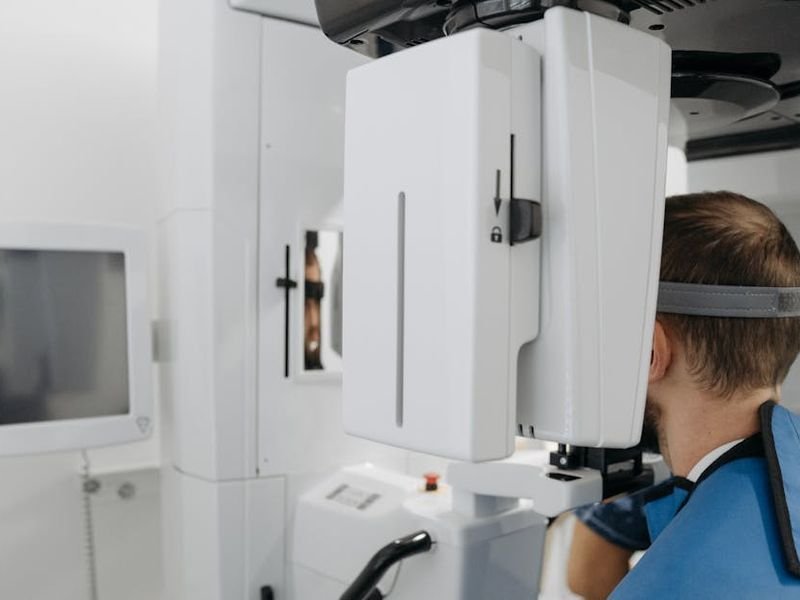
Cost savings don’t mean compromises in quality. Cuenca’s top dental clinics are staffed by dentists educated at major dental schools and who often pursue advanced training in the U.S., Europe, and across Latin America. Many clinicians are active in continuing education and international conferences. Clinics commonly use modern diagnostics and treatment tools such as cone beam CT (CBCT) imaging, CAD/CAM digital dentistry, in-house milling, 3D printing, and sterile suction and sterilization systems that meet international standards.
Advanced procedures available
- Single implants and multi-implant reconstructions
- All-on-4 and immediate-load options at specialized centers
- Zirconia and E.max crowns and bridges
- Porcelain and composite veneers, smile makeovers
- Guided implant surgery using 3D planning
These techniques shorten treatment times and improve predictability — a major advantage for retirees who want efficient plans and fewer return trips.
Short Wait Times and Personalized, One-on-One Care
One of the biggest frustrations with dental care in many countries is long wait lists. In Cuenca, clinics generally offer much shorter scheduling windows. Many international patients are booked within days or weeks rather than months. Small clinic sizes and a culture of hospitality mean dentists and staff spend more time with each patient: thorough consultations, detailed treatment plans, and one-on-one pre- and post-op attention are the norm. This personalized approach reassures retirees who value clear communication and comfort.
Concierge-style service
Top clinics offer bilingual coordinators, airport pickup, hotel or B&B recommendations, and Spanish-English translation. Many dental offices partner with local labs for same-week crown milling and adjustments, reducing downtime and making recovery easier for older travelers.
The Ideal Recovery Environment
Cuenca’s climate and setting make it one of the world’s best recovery towns. Nicknamed an “eternal spring,” the city sits at roughly 2,560 meters (about 8,400 feet) and enjoys mild temperatures year-round. That gentle weather, combined with clean air, relaxed pace, and abundant green spaces, supports healing after dental surgery. Recuperation walks along the Tomebamba River, quiet afternoons in cafés, and restorative day trips to nearby parks or craft markets help patients heal physically and mentally.
Comfortable, convenient accommodations
Retirees can choose from boutique hotels, cozy B&Bs, and fully equipped apartments near the historic center. Many places are a short walk from major clinics, making it easy to attend follow-ups without stressful transportation. Because Ecuador uses the U.S. dollar, managing travel budgets and payments is straightforward for American retirees.
Combine Treatment with a Memorable Vacation
Dental care doesn’t have to be all work and no leisure. Cuenca’s colonial architecture, vibrant markets, museums, and gentle day trips make it simple to blend appointments with sightseeing. Popular low-impact activities ideal during recovery include:
- Strolling Parque Calderón and the cathedral plaza
- Exploring artisan markets for hats, textiles and ceramics
- Day trips to Cajas National Park for easy nature walks
- Trying local cuisine in cafes and family-run restaurants
- Visiting the Tomebamba riverfront and photographic viewpoints
This combination of care and leisure is especially attractive to retirees who appreciate cultural richness as part of their healing experience.
Safety, Regulations and High Clinic Standards
Retirees often worry about safety and clinical standards when considering dental tourism. Cuenca’s reputable clinics maintain strict sterilization protocols and many follow international infection control guidelines. Private hospitals and dental centers are well-equipped to handle routine dental emergencies and offer easy access to medical care if needed. English-speaking staff and patient coordinators reduce communication gaps and ensure clarity about medications, aftercare and emergency contacts.
How to Plan a Dental Vacation in Cuenca
Planning makes the experience smooth and stress-free. Here’s a practical checklist for retirees considering dental work in Cuenca:
- Research clinics: Read reviews, view before-and-after photos, and ask for dentist CVs and continuing education details.
- Request a detailed quote: Ask for a written treatment plan, timeline, and itemized costs (diagnostics, implants, lab work, anesthesia, follow-ups).
- Ask about materials and labs: Confirm crown materials (zirconia, E.max), implant brands, and if the lab is local for faster turnarounds.
- Understand the timeline: Many implant cases need 3–6 months for healing before final crowns, though immediate-load and All-on-4 options are available in select cases.
- Plan accommodation near your clinic: Choose a place that allows easy, short walks to appointments.
- Prepare documents: Bring medical history, dental x-rays, and a list of medications. Clinics commonly accept digital files.
- Check travel logistics: Cuenca’s Mariscal Lamar International Airport connects via Quito or Guayaquil; the city center is a short drive from the airport.
Typical trip layouts
Many retirees opt for either a two-visit approach (placement visit and final restoration visit months later) or a longer single stay when clinics offer immediate-load or staged same-arch solutions. Discuss options with your dentist and factor in comfort for travel at altitude after procedures.
Follow-up Care and Long-term Support
Good clinics in Cuenca provide clear written aftercare instructions, scheduled follow-ups, and remote check-ins via email or video calls for patients who return home. Many practices offer warranties on work and guarantee follow-up adjustments if needed. If you plan to split treatment between Cuenca and a local dentist in your home country, request full digital records and lab specifications to ensure continuity of care.
Why Retirees Prefer Cuenca Over Other Dental Tourism Destinations
Cuenca combines advantages that other destinations often don’t: consistently lower prices, a large and welcoming expat community, bilingual clinic staff, and a cultural environment well-suited for extended stays. Unlike very touristy beach hubs where the pace can be hectic, Cuenca’s relaxed colonial center, predictable weather and access to mountains and nature create a safer, calmer recovery backdrop. The city is also compact, making transportation between clinic, hotel and sights simple and stress-free for older travelers.
Practical Tips for a Comfortable Experience
- Book an initial consultation online and request a CBCT scan and digital photos so your treatment plan is precise.
- Travel insurance (with dental tourism coverage if available) and contingency plans provide peace of mind.
- Bring comfortable shoes and a light jacket — Cuenca’s altitude and evenings can be cool.
- Plan low-impact activities for the first week after surgery: gentle walks, cafe visits and restful sightseeing.
- Keep a small supply of preferred over-the-counter pain meds and an ample stock of any prescription medications on arrival.
- Use local pharmacies and labs — they are affordable and well-stocked with medication commonly prescribed after dental surgery.
Final Thoughts: Value, Comfort and Confidence
For retirees weighing options, Cuenca offers an unbeatable combination: major cost savings, high clinical standards and a peaceful, restorative setting. Whether you need a few crowns, full-arch implants, or a cosmetic smile upgrade with veneers, Cuenca makes comprehensive care approachable and enjoyable. The dental vacation model here is built around the patient — personalized treatment plans, modern technology, quick scheduling, and a charming city that doubles as an ideal recovery retreat. When you add up price, quality, convenience and the chance to recover in a beautiful UNESCO-listed city, it’s easy to see why so many retirees choose Cuenca for their dental implants, crowns and veneers.
Ready to start planning? Begin with a virtual consultation, compare a few reputable clinics, and imagine a dental trip that leaves you smiling — both inside and out.