
Table of Contents
Welcome to Cuenca: What Makes This City Special
Nestled in Ecuador’s southern Sierra at about 2,550 meters (8,370 feet), Cuenca is a city that balances colonial architecture, vibrant riverfronts and a relaxed, small-city rhythm. Its UNESCO-listed historic center is compact and walkable, with the iconic blue-dome cathedral, tree-lined plazas and cobblestone streets. Whether you’re here for a long weekend or an extended stay, a little local know-how will make your visit smoother, safer and more satisfying.
Before You Go: Practical Preparations
Cuenca uses the U.S. dollar, so you won’t need a currency exchange once you arrive—but it helps to bring some small bills (ones and fives) and coins for buses, market purchases and tips. Carry a photocopy or a digital photo of your passport; you can leave the physical passport locked in your hotel safe.
Buy a local SIM if you want reliable mobile data. Ecuador’s major carriers sell prepaid packages at airport kiosks and shops—bring your passport when purchasing a SIM. If you prefer staying connected only via Wi‑Fi, many cafés, restaurants and accommodations offer decent service in the historic center.
Packing Essentials: Clothes, Gear and Health
Cuenca has a pleasantly mild climate year-round, but weather can shift fast. Pack layered clothing: a lightweight sweater, a warm jacket for evenings, and a waterproof shell for sudden showers. Comfortable walking shoes are a must; many streets are uneven cobblestones.
- Layers: t-shirts, long-sleeve shirt, fleece or light down jacket.
- Waterproof jacket and a compact umbrella—rain is common, especially during the rainy season.
- Sunscreen and sunglasses—the sun is strong at altitude.
- Any personal medications with prescriptions; a small first-aid kit and altitude remedies if you’re sensitive.
- Power adapter if you’re visiting from outside the Americas; Ecuador generally uses North American-style plugs and 120V power.
Arriving and Getting Around
From the Airport
Mariscal La Mar (Cuenca’s airport) is a short drive from the city center. Many hotels offer airport shuttles—ask ahead and confirm a pickup time. Taxis and local shuttle services are available; agree on a price or ensure the driver uses a meter when possible.
Moving Around the City
Cuenca’s historic core is compact and best enjoyed on foot. For longer trips, taxis are inexpensive—short rides inside the city often cost just a few dollars. If you want to save, local buses are extremely cheap, though routes can be confusing to newcomers; ask your hotel for the bus number. Ride-hailing apps may operate in the region but availability varies, so have a local taxi company number or the hotel front desk ready.
Where to Stay: Neighborhoods and What to Expect
Most visitors choose accommodations in or near the Centro Histórico because attractions, restaurants and nightlife are within easy walking distance. Staying here means waking up to church bells and being steps away from plazas and museums. If you prefer quieter neighborhoods, look at areas along the Tomebamba River or the more residential suburbs; they often offer modern apartments and a calmer pace while still being a short taxi ride from the center.
Many boutique hotels occupy colonial buildings without elevators; if stairs are a concern, confirm accessibility and ask about room location in advance.
Must-See Sights and Local Walks
Start at Parque Calderón (Plaza Grande), the heart of the historic district, where you can admire the New Cathedral’s striking blue domes. Walk down to the Tomebamba River and follow the riverside promenades for tranquil views and photo opportunities. Don’t miss the Museo Pumapungo, which combines archaeological exhibits with a lovely botanical garden and living historical displays.
For panoramic city views, take a taxi up to the Turi lookout (Mirador de Turi). It’s a short ride and worth the sunset views over the red-tiled roofs. Explore the El Barranco area for museums and art galleries tucked into the canyon’s walls.
Taste of Cuenca: What and Where to Eat
Cuenca’s food scene mixes hearty Andean dishes with coastal influences. Try locro de papas (creamy potato soup), mote (hominy-based dishes), and hornado (slow-roasted pork served in markets). If you’re adventurous, sample cuy (guinea pig) at traditional restaurants. Cafés in the historic center serve excellent Ecuadorian coffee and locally made pastries.
Visit the main markets—behind the cathedral and in nearby neighborhoods—for fresh fruit, cheese, and street food. Food stalls are generally safe, but if you have a sensitive stomach, stick to busy places and bottled water.
Money, Prices and Tipping
Ecuador’s official currency is the U.S. dollar, which simplifies budgeting. Many restaurants and hotels accept credit cards, but small businesses, markets and buses prefer cash. ATMs are common in the city center; notify your bank before traveling to avoid card blocks.
Service charges are sometimes included on receipts—check your bill. If service is not included, a modest tip of 5–10% is appreciated in restaurants. Tipping taxi drivers is not mandatory but rounding up the fare is customary.
Safety and Common-Sense Precautions
Cuenca is often cited as one of Ecuador’s safer cities for tourists, but petty crime like pickpocketing occurs, especially in crowded markets and near buses. Keep valuables in a secure, concealed bag, and consider a money belt for passports and extra cash. At night, stay on well-lit streets and use a trusted taxi for longer trips after dark.
Health-wise, the altitude can affect some travelers—take it easy on your first day, hydrate, and avoid heavy exercise until you feel acclimated. If you have chronic health conditions, consult a doctor before travel. Basic medical facilities are available in Cuenca, and private clinics offer good care.
Language and Local Etiquette
Spanish is the dominant language in Cuenca. While you’ll find English speakers in hotels and some tour operators, learning a few basic Spanish phrases goes a long way. Use simple greetings like “buenos días” and “gracias,” and learn numbers for bargaining and buying tickets.
Cultural norms are generally polite and conservative. A handshake or a single kiss on the cheek is a common greeting among acquaintances. Dress modestly when visiting churches and religious sites, and ask permission before photographing people, especially in market settings.
Day Trips and Nearby Adventures
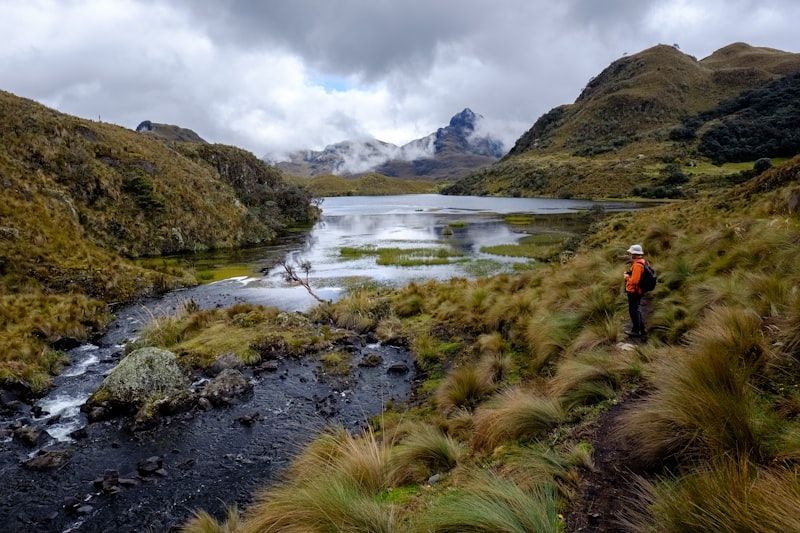
Cuenca makes an excellent base for exploring southern Ecuador. El Cajas National Park, about 30–40 minutes away by car, offers high-altitude hiking and scenic lagoons—bring warm layers and waterproof gear. For archaeological interest, consider a trip to Ingapirca, the largest Inca ruins in Ecuador (a longer day trip or an overnight excursion). Nearby towns like Gualaceo and Chordeleg are known for handicrafts—perfect for finding silver jewelry and woven goods to take home.
Festivals, Events and the Best Time to Visit
Cuenca is lively year-round. The dry months (June–September) typically have more sunshine, making them attractive for sightseeing. However, the city’s mild climate means you can enjoy a visit any time. Check local listings for cultural events—religious holidays like Semana Santa (Holy Week) feature processions and unique local traditions that are memorable to witness.
Smart Tips from Locals
- Carry small change for buses and market purchases; vendors may not have change for large bills.
- If you want to save on meals, eat where the locals eat—menus del día (set lunches) offer a full plate at a modest price.
- Confirm opening hours ahead of time; some museums and shops close midday for an extended lunch break.
- Bring a compact daypack and water bottle; refill stations and filtered water are increasingly available in cafes and hotels.
Final Thoughts: Make Time to Slow Down
Cuenca rewards travelers who slow down and soak in its atmosphere. Spend mornings wandering the plazas and markets, afternoons at museums or cafés by the river, and evenings enjoying local cuisine or a relaxed walk under the city lights. With sensible planning and a flexible attitude, your first visit to Cuenca can be comfortable, safe and richly memorable.
Enjoy the red roofs, friendly neighborhoods and layers of history—Cuenca is a city that invites exploration one charming street at a time.
Adam Elliot Altholtz serves as the Administrator & Patient Coordinator of the “Smilehealth Ecuador Dental Clinic“, along with his fellow Expats’ beloved ‘Dr. No Pain‘, right here in Cuenca, Ecuador, and for purposes of discussing all your Dental needs and questions, is available virtually 24/7 on all 365 days of the year, including holidays. Adam proudly responds to ALL Expat patients from at least 7:00am to 9:00pm Ecuador time, again every single day of the year (and once more even on holidays), when you write to him by email at info@smilehealthecuador.com and also by inquiry submitted on the Dental Clinic’s fully detailed website of www.smilehealthecuador.com for you to visit any time, by day or night. Plus, you can reach Adam directly by WhatsApp at +593 98 392 9606 -or by his US phone number of 1‐(941)‐227‐0114, and the Dental Clinic’s Ecuador phone number for local Expats residing in Cuenca is 07‐410‐8745. ALWAYS, you will receive your full Dental Service in English (NEVER in Spanish), per you as an Expat either living in or desiring to visit Cuenca by your Dental Vacation, plus also to enjoy all of Ecuador’s wonders that are just waiting for you to come arouse and delight your senses.