
Table of Contents
Why the timing matters when visiting Cuenca
Cuenca is often described as having an “eternal spring” climate — mild temperatures year-round, dramatic Andean light, and plenty of green hills. But the month you choose to travel will shape your experience: festival energy, hiking conditions in Cajas National Park, market offerings in Chordeleg and Gualaceo, or simply how much rain you’ll pack for. This guide breaks down the practical differences between months, plus tips for making the most of each season in Ecuador’s southern highlands.
Quick climate overview: what to expect any time of year
Cuenca sits at about 2,560 meters (8,400 feet). Typical daytime highs are around 18–22°C (64–72°F) and nighttime lows often dip to 7–12°C (45–54°F). Weather can swing quickly: a sunny morning can turn into an overcast, drizzly afternoon. Because of the altitude, the sun is strong even when air temperatures feel cool — sunscreen and a hat are essential year-round.
Rainy vs dry season
In the highlands of Ecuador, the dry season usually runs from June through September, and the wetter months are roughly October through May. Rainfall is not constant—expect showers rather than prolonged downpours—but the dry months are your best bet for extended outdoor activities and clearer mountain vistas.
Month-by-month breakdown
January & February
These are part of the rainy season but still warm enough to enjoy city life. Expect lush landscapes, fewer tourists, and good hotel deals. Some afternoons may be wet, so plan indoor activities (museums, artisan shops) for those hours. Festivals and local events are quieter compared to later in the year.
March & April
Mild temperatures persist, but rainfall can increase. Crucially, Semana Santa (Holy Week) usually falls between March and April and is one of Cuenca’s busiest times. If you want to witness religious processions and local traditions, this is the time, but book accommodation well in advance.
May
May is a transition month. The rainy season begins to taper off toward the end, and the countryside is vividly green. Early-May visitors get the advantages of fewer crowds while still seeing the highlands in full bloom. Late May can be an excellent time for those seeking a balance between green scenery and drier hiking conditions.
June through September — the golden window
These months are widely considered the best for visiting Cuenca if your priorities are outdoor activities and clear skies. Hikes in Cajas National Park are far more pleasant, and vistas across the surrounding valleys are clearer. It’s peak season for tourists, so anticipate slightly higher prices and book popular tours in advance.
October & November
October can be unpredictable: the rains return but often come as short, strong showers. November brings one of Cuenca’s most animated weeks — the city’s anniversary celebrations around November 3rd. If you want to experience major parades, concerts, and street fairs, November is special, but pack for intermittent rain.
December
December is festive, with Christmas markets and holiday lights. Rainfall can be significant, but the city’s charm shines during the holidays. For budget travelers, early December can offer lower rates before the holiday rush ramps up later in the month.
Festivals and cultural highlights — pick your dates for events
Cuenca’s cultural calendar influences the best time to visit. If festivals are a priority, time your visit around:
- Semana Santa (March/April): Religious processions, local traditions, and a surge in domestic tourism.
- Fiestas de Cuenca (early November): Anniversary celebrations, parades, concerts, and artisan fairs — the city feels electric.
- Día de los Difuntos (November 2): Traditional food markets and culturally rich rituals.
For quieter, low-key cultural experiences — artisan markets in Chordeleg or Gualaceo — weekdays outside of major festivals are best.
Outdoor activities — when to hike, bird-watch, and explore Cajas
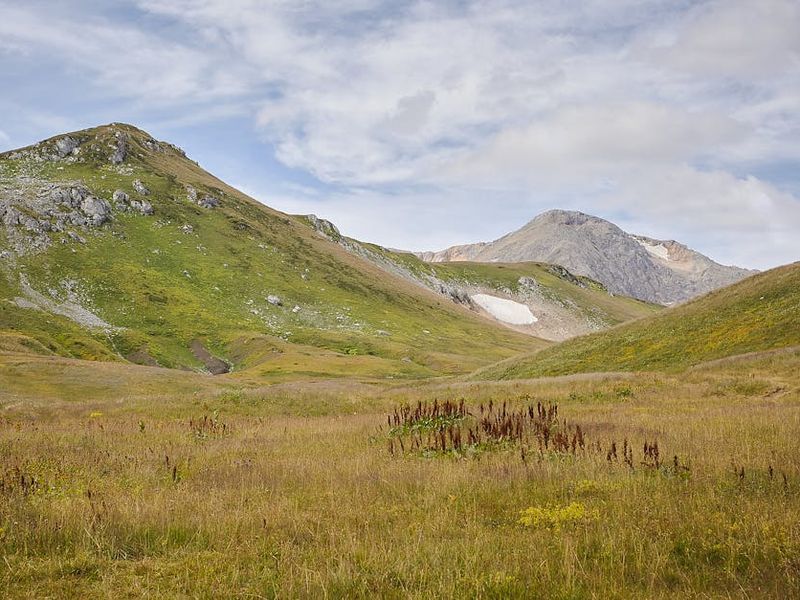
If you’re planning to hike in Cajas National Park, photograph mountain lakes, or go bird-watching, aim for the dry season (June–September). Trails are less muddy and visibility for mountain panoramas is highest. Bird watchers should also consider shoulder months (May and October) when migratory patterns shift, and species diversity can spike.
Day trip ideas and best seasons
- Cajas National Park: Best June–September for trail conditions and lake reflections.
- Chordeleg (silver jewelry): Year-round, but quieter weekdays in the rainy season can be peaceful for shopping and bargaining.
- Gualaceo market: Vibrant most mornings; rainy season can make accessing rural markets trickier because of muddy roads.
- Sigsig and El Cajas viewpoints: Best in dry months for clear views of the surrounding volcanoes and valleys.
Packing list tailored to Cuenca’s seasons
Dress in layers. The trick to comfort in Cuenca is flexibility: mornings can be chilly, afternoons warm, and evenings cool again.
- Light thermal or fleece for evenings.
- Waterproof jacket or compact umbrella for rainy months.
- Sturdy walking shoes or hiking boots, especially for Cajas.
- Sunscreen and a wide-brim hat — high UV despite mild temps.
- Plug adapters and a portable power bank.
- If you visit during dry months, pack a windbreaker: highland winds can be brisk.
Health, altitude, and comfort tips
At 2,560 meters, most visitors feel fine but should be mindful of mild altitude effects: shortness of breath during steep climbs, mild headaches, or disrupted sleep. Tips to acclimatize quickly:
- Take your first day easy: gentle walking rather than strenuous hikes.
- Stay hydrated and avoid heavy meals on your first night.
- Limit alcohol on arrival day and consider caffeine moderation.
- If you’re especially sensitive, talk to a travel clinic about preventative options (acetazolamide) before travel.
Getting to and around Cuenca
Cuenca has a modern airport (Mariscal La Mar — CUE) with domestic flights from Quito and Guayaquil, and some international connections seasonally. Buses connect Cuenca reliably to cities across Ecuador and into Peru. Within the city, taxis are inexpensive and plentiful; ride-hailing apps (e.g., local variants) also operate. For day trips, consider private drivers or organized tours in the dry season when rural roads are most accessible.
Driving and road conditions
If you rent a car, be prepared for narrow mountain roads, occasional livestock crossings, and variable signage. Driving at altitude is fine but give yourself extra time — switchbacks and slower traffic are common. Many scenic side roads are best attempted in the dry months to avoid mud and landslides.
Money, safety, and practicalities
Cuenca uses the U.S. dollar. ATMs are widespread but carry some cash for small markets and rural areas. The city is generally safe — common-sense precautions apply: avoid poorly lit areas at night, watch your belongings in crowded markets, and use official taxis when possible.
When to avoid visiting
There’s no absolute “bad” time to visit Cuenca, but if you want to minimize rain and maximize outdoor access, avoid planning significant hiking or outdoor photography trips in the core rainy months of December through April. If you’re traveling specifically for calm weather and long, sunny days, focus on June–September.
Sample itineraries by season
Here are quick sample itineraries tuned to the season you might visit:
- Dry season (July): Day 1: Historic center and museums. Day 2: Full-day trip to Cajas National Park. Day 3: Chordeleg and Gualaceo artisan markets. Day 4: Social cafés, local galleries, and a rooftop sunset.
- Festive November: Day 1: Plaza de San Francisco and local museums. Day 2: Participate in Fiestas de Cuenca parades and artisan fairs. Day 3: Short day trip to nearby viewpoints; afternoon market visits. Day 4: Relax and enjoy live music in the evenings.
- Wet season (March — Semana Santa): Day 1: Churches and Semana Santa processions. Day 2: Artisan shopping when markets are covered. Day 3: Spa or thermal visit for a restful day. Day 4: Explore local culinary specialties in covered food markets.
Final decision guide: pick the best time for your priorities
If you want clear skies and hiking: choose June–September. If festivals and cultural immersion drive your trip: aim for Semana Santa (March/April) or Fiestas de Cuenca (early November). If you prefer fewer crowds and lower prices while still enjoying green landscapes: consider late May or early October. And if year-round mild temperatures and artisan shopping are enough, any month will deliver a charming experience — just pack layers and a waterproof jacket.
Extra tips for an optimal visit
- Book Cajas National Park guides and popular city walking tours in advance during dry-season weekends.
- Visit artisan towns early in the morning to catch the best market selections and avoid afternoon showers.
- Carry a photocopy of your passport and keep the original secured; many services request ID.
- Try local specialties like mote pillo and cuy (if you’re adventurous) at recommended family-run eateries.
- Bring a small daypack with water, sunscreen, and a layers for sudden weather shifts while exploring.
Cuenca’s charm is that it adapts to every season. Whether you time your trip for festivals, landscapes at their greenest, or the most reliable hiking weather, planning with the month-by-month differences in mind will make your stay more enjoyable. Pack smart, book key services during high season, and leave a little time to wander — the city rewards slow discovery year-round.