
Table of Contents
Why Cuenca Is the Smart Choice for Dental Implant Vacations
Cuenca has quietly become one of the world’s best-kept secrets for dental tourism. Patients from the United States, Canada, and Europe arrive for implants, crowns, and veneers and leave with not only an improved smile but also unforgettable memories. The appeal is simple: world-class dentistry combined with dramatic cost savings, modern clinics, short wait times, and a beautiful recovery environment. In short, Cuenca offers value that’s hard to match anywhere else.
Huge Savings Without Compromising Quality
One of the most compelling reasons patients choose Cuenca is the price. You can expect to save 60–70% compared to the United States and Canada. For example, a single dental implant with a crown that might cost $3,500–$6,000 back home often runs between $900–$1,800 in Cuenca. Veneers and crowns also show similar savings — materials and workmanship are high quality, while local overhead and labor costs are lower. That same budget stretch often lets patients upgrade to premium materials or complete full-arch work that would be prohibitive in their home country.
Highly Trained Dentists and Modern Clinics
Cuenca’s dentists are trained in rigorous programs at top Ecuadorian universities and many pursue advanced education and continuing training abroad. Clinics feature modern equipment such as CBCT (3D cone beam) imaging, intraoral scanners, CAD/CAM milling, guided implant surgery systems, and 3D printing for surgical guides and temporaries. Many practices adhere to international sterilization standards and use internationally recognized implant systems and biomaterials, giving patients confidence in their treatments.
Bilingual, Patient-Focused Care
Bilingual dentists and staff are common in Cuenca. Clinics understand the needs of international patients and emphasize one-on-one attention. From a dedicated patient coordinator who handles scheduling and travel logistics to post-operative check-ins, the care model is highly personalized. Shorter waiting lists mean your consultation and treatment can often be scheduled within days, which is a huge advantage over long wait times in many countries.
Combine Treatment with a Stress‑Free Recovery Vacation
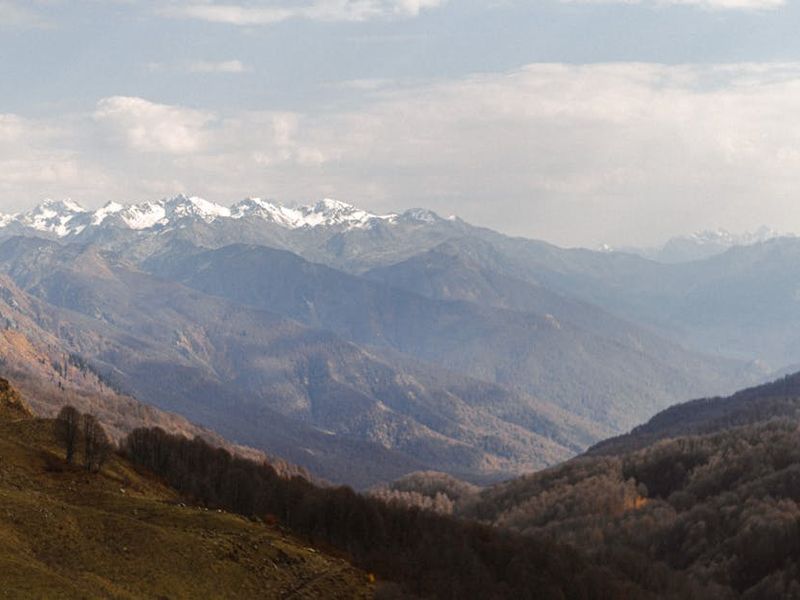
Dental implant recovery goes much smoother in a calm, comfortable setting — and Cuenca provides exactly that. The city’s temperate, spring-like climate, tree-lined plazas, and low-stress pace help patients rest and heal. Imagine recuperating with gentle strolls along the Tomebamba River, sipping a cappuccino in the Plaza Calderón, or soaking in serene mountain panoramas rather than staying cooped up in a hotel chain near a busy airport.
Natural Beauty and Gentle Activities For Recovery
Cuenca sits amid Andean peaks and is surrounded by easy day trips that are perfect for low-impact recovery. El Cajas National Park offers scenic drives and short, flat trails for fresh-air walks. Historic Ingapirca ruins are a relaxed half-day outing. Local markets in Gualaceo and Chordeleg are ideal for leisurely browsing and picking up handcrafted souvenirs. These activities let you get light exercise without putting stress on healing implants.
Practical Timeline for an Implant Vacation
Understanding the implant timeline helps you plan your travel and vacation days effectively. Typical treatment paths include:
- Consultation and imaging: Arrive for an initial in-person exam with X-rays and CBCT if needed. Many clinics offer virtual pre-consultations to review case details beforehand.
- Extractions and grafting (if needed): If a tooth must be removed or bone grafting required, it can often be done during your first visit. Minor grafts add little recovery time and are commonly done simultaneously.
- Implant placement: Implant surgery is usually an outpatient procedure with local anesthesia and mild sedation options. Many patients return to light walking the next day.
- Healing period: Standard osseointegration ranges from 2–4 months. Some clinics offer immediate-load implants or temporary crowns so you don’t need to wait without teeth.
- Final restorations: When the implant has integrated, the final crown, bridge, or denture is placed — often using in-office CAD/CAM milling for speed and precision.
For many cases, a well-planned dental vacation spans two trips: one for surgery and temporary restorations, and a second shorter trip for the final prosthetics. Some full-arch and immediate-load treatments can be completed in a single, longer stay.
Short Wait Times and Flexible Scheduling
One advantage dental tourists often mention is the speed of care. While back home you might wait months for a specialist appointment or a surgical date, Cuenca clinics can typically schedule consultations and procedures within days. This is especially valuable for patients traveling internationally because it reduces the overall time spent away from work and home. Many practices coordinate directly with patients to create efficient itineraries that combine appointments, recovery time, and sightseeing.
Excellent Value for Crowns, Veneers, and Full-Arch Solutions
Because costs are lower without sacrificing quality, many visitors choose to expand their treatment plans. That value makes premium options accessible: zirconia or zirconia layered crowns, all-ceramic veneers, and fixed full-arch implant solutions become affordable. Upgrading to high-quality materials or completing more comprehensive dentistry during one trip often provides better long-term satisfaction and function.
Safety and Follow-Up: What to Ask Before You Travel
Choosing the right clinic requires research. Here are practical questions and tips for prospective dental tourists:
- Ask for dentist credentials, continuing education, and membership in professional organizations.
- Request details about the implant brands and materials used (many clinics use internationally recognized systems).
- Confirm sterilization protocols and whether the clinic uses CBCT imaging and digital workflows.
- Arrange telehealth follow-ups and ask about arrangements for any necessary adjustments after you return home.
- Check whether the clinic provides written estimates, treatment timelines, and clear post-op instructions in your language.
Most reputable clinics provide detailed case histories and patient testimonials. Also consider travel and medical insurance that covers complications and follow-up care, and keep copies of all dental records to share with your local dentist after you return home.
Practical Travel Tips and Local Details
Planning a dental vacation to Cuenca is straightforward with a few insider tips:
- Entry and currency: Ecuador uses the US dollar, which simplifies budgeting. Many nationalities receive a 90-day tourist entry stamp — always verify visa requirements for your passport.
- Air travel: Fly into Quito (UIO) or Guayaquil (GYE) and transfer to Cuenca via a short domestic flight to Mariscal Lamar Airport (CUE). Overland travel is an alternative; buses and private transfers are available but take longer.
- Altitude: Cuenca sits at about 2,560 meters (8,400 ft). Most visitors adjust quickly, but take it easy on the first day to reduce headaches or fatigue.
- Where to stay: Choose a hotel or rental in the historic center for walkability to clinics, cafes, parks, and pharmacies. Many clinics partner with nearby hotels for patient packages.
- Medication and paperwork: Bring a list of your medications, allergies, and recent dental X-rays if available. Clinics often request medical history in advance.
Why Recovery in Cuenca Improves Outcomes
Recovery isn’t just about following instructions — environment matters. Cuenca’s low pollution, mild climate, high-quality local food, and slower tempo reduce stress hormones that can impede healing. The availability of nutritious meals, fresh produce markets, and quiet cafes encourages a balanced, restful recovery. The city’s strong expat community also provides a supportive atmosphere for international patients, including recommendations for post-op services like gentle yoga, dietary guidance, or private chefs if desired.
Comfortable, Accessible Aftercare
Many clinics include postoperative visits, emergency contact numbers, and follow-up telemedicine appointments. Should follow-up work be needed after you return home, most clinics provide detailed multi-lingual documentation and are willing to coordinate with your local dentist.
Real Patient Experiences: Value and Peace of Mind
Patients frequently report being surprised at how pleasant their dental vacation was — from the initial consultation to recovery walks in the city’s gardens. Common themes in patient feedback include the warm, attentive staff; the modern and clean clinics; and the joy of combining dental work with a restorative trip. Many also mention that the savings allowed them to invest in higher-grade materials or complete broader smile makeovers.
How to Book and Prepare: A Practical Checklist
Preparing well ensures a smooth dental vacation. Use this checklist to get started:
- Schedule a virtual consultation and request a written treatment plan and cost breakdown.
- Confirm the clinic’s use of 3D imaging and digital workflows for precise planning.
- Ask about touristic packages: hotel, airport transfers, and local recovery care.
- Arrange travel insurance that covers medical procedures and complications.
- Plan at least 48–72 hours of low-activity time after implant surgery; longer for extractions or grafting.
- Keep copies of dental records and contact info for the clinic for post-travel follow-ups.
Bottom Line: Exceptional Value, Exceptional Vacation
Cuenca offers an unmatched combination for dental tourists: major savings, highly trained clinicians using modern technology, short waiting times, and an inviting recovery setting. Whether you need a single implant, a set of veneers, or a full-arch solution, planning a dental vacation in Cuenca can transform an expensive and stressful medical procedure into a comfortable, cost-effective, and even enjoyable experience. With careful planning, reputable clinic selection, and realistic expectations, many patients find that Cuenca gives them both the smile they want and a memorable travel experience.
Next Steps
If you’re considering dental implants, crowns, or veneers, start by requesting a virtual consultation from a few Cuenca clinics. Compare treatment plans, timelines, and patient reviews. Factor in travel arrangements, the ideal recovery environment, and the value you’ll get for your budget. With careful preparation, your dental vacation in Cuenca could be the best decision for your smile — and a wonderful excuse to explore one of South America’s most charming cities.