
Table of Contents
Why Cuenca Is the Best Place on Earth for Dental Tourism
Thinking about getting dental implants, crowns, or veneers abroad? Cuenca, Ecuador, is a top-tier dental-tourism destination for good reason. Expect dramatic cost savings (typically 60–70% less than the US or Canada), highly trained dentists educated at Universidad de Cuenca and Universidad del Azuay (many with advanced training abroad), modern clinics with digital x-rays and CAD/CAM labs, and short wait times that let you schedule procedures quickly. Add a safe, mellow city with a spring-like climate, UNESCO-listed historic streets, and restorative green spaces — and you have the perfect place to combine high-quality dental care with a vacation that actually helps you heal.
How Dental Tourism Works in Cuenca
Most dental-tourists follow a simple pattern: an initial consultation and diagnostics (digital x-rays, CBCT if needed), the procedure (crowns, veneers, implants), and follow-up visits. Many clinics in Cuenca offer in-house laboratories and digital workflows (CEREC/same-day restorations in some cases) so crowns and veneers often take just 1–2 visits over 5–10 days. Implants may require a surgical visit and later restoration, but many clinics offer temporary solutions and close follow-up care — all while you enjoy Cuenca’s pleasant recovery options. Short wait times mean you can often book the entire process within a few weeks.
Money Matters: Real Savings, Real Value
One of the biggest reasons people choose Cuenca is the price. While figures vary with materials and methods, the broad picture is consistently striking:
- Dental implants: many clinics charge 60–70% less than U.S./Canadian prices. A procedure that might cost $3,500–$6,000 in North America can often be done for roughly $1,000–$1,800 in Cuenca.
- Crowns: instead of $800–$1,500, expect prices commonly in the $200–$500 range for high-quality porcelain crowns.
- Veneers: North American prices of $900–$2,500 per tooth compare with $300–$600 per tooth in Cuenca clinics offering advanced materials and aesthetic work.
Those savings can cover premium hotels, extra treatment time, and excursions — or simply give you an affordable new smile that would otherwise be financially out of reach at home.
Short Wait Times and Personalized, One-on-One Care
Unlike overbooked clinics back home, many Cuenca dental practices emphasize one-on-one patient care. Dentists often spend extra time on consults, treatment planning, and post-op appointments. Because Cuenca isn’t a mass-tourism hub for dentistry like some larger cities, you’ll generally experience shorter waits and more flexible scheduling — meaning you can plan activities between appointments without worrying about long delays.
Top Low-Impact Activities to Do Between Appointments
After dental work, especially extractions or implant surgery, you want quiet, low-impact activities that won’t disrupt healing. Cuenca’s combination of walkable streets, peaceful parks, gentle cultural outings, and nearby nature makes it easy to relax and recover while still enjoying your trip.
- Stroll the Historic Center and Parque Calderón: Flat, well-paved areas around the cathedral and plaza are perfect for short walks. The fresh air and scenery are restorative and easy on a tender mouth.
- Visit the Cathedral and Panoramic Views from Turi: The blue-domed New Cathedral is a must-see. A short taxi ride up to Mirador de Turi offers sweeping views — great for gentle photo stops without strenuous effort.
- Slow Coffees and Light Meals at Riverside Cafés: Tomebamba River cafés provide a calm place to sit for hours. Soft foods and smoothies are plentiful at local cafés and great for post-op diets.
- Pumapungo Museum and Archaeological Park: Indoor and easy to navigate, Pumapungo is ideal for a half-day cultural dive without long walks or climbs.
- Artisan Markets and Hat Workshops: Cuenca is famous for its toquilla (Panama) hats and artisan crafts. Short market visits or a hat-weaving demonstration let you shop and learn while seated.
- Gentle Riverwalks and Botanical Gardens: Stretches along the Tomebamba and small public gardens are calming and accessible for light rehabilitation walks.
- Cooking Classes Focused on Soft Local Dishes: Choose a class that emphasizes soups, stews, and soft desserts if you’re in the early recovery phase.
- Yoga, Gentle Stretching, and Spa Treatments: Many local studios and spas cater to expats and visitors; request low-impact classes and gentle massages that avoid the head and neck area immediately after surgery.
Day Trips That Fit Dental Recovery
Cuenca’s location in the southern Andes makes it an ideal base for short, scenic excursions that don’t interfere with recovery timelines:
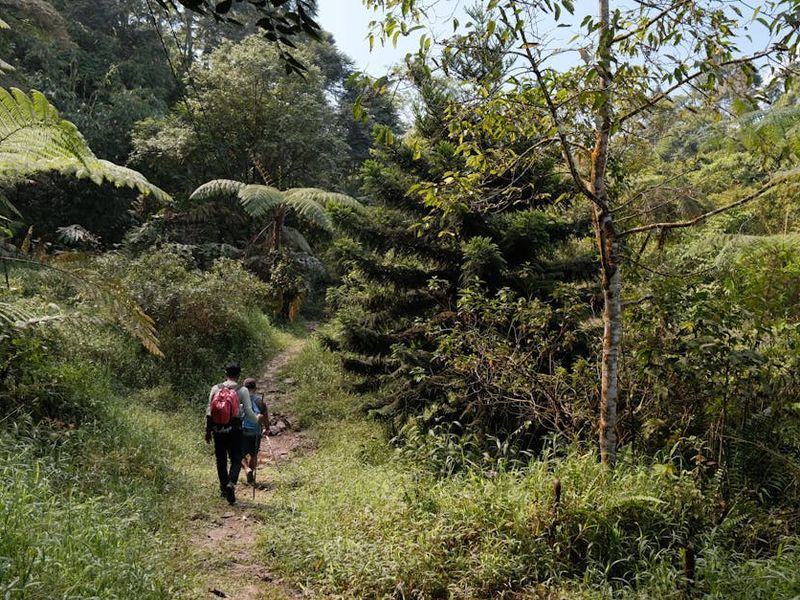
- El Cajas National Park (easy trails): Stunning lakes and milder trails are reachable within an hour. Choose low-altitude walks and avoid strenuous hikes for a couple of days after surgery.
- Tomebamba River Valley and Nearby Villages: A gentle day of visiting artisan towns and markets gives you cultural immersion without long drives or rough terrain.
- Thermal Springs (nearby): Many thermal sites are a short drive away and provide low-impact relaxation. Confirm with your dentist about timing; warm baths are usually recommended after initial healing.
Timing Your Activities Around Different Procedures
Not all dental work requires the same downtime. Tailoring your activity plan to your procedure keeps healing on track and makes your Cuenca visit more enjoyable.
Crowns and Veneers (Best for 3–10 Day Trips)
Most crowns and veneers need 1–2 visits over a week. Plan light sightseeing and seated activities on the day of work, with fuller days afterward. Visit museums, cafes, and artisan markets while temporary restorations are in place, then celebrate with a nicer dinner after the final fitting.
Single Implants and Simple Implant Cases (7–14 Day Trips)
Many implant cases are completed in two main phases: implant placement and later restoration. After placement, avoid heavy exertion for 48–72 hours. Gentle walks, museum visits, and scenic drives are excellent. Some clinics offer same-day temporaries so you leave Cuenca looking and feeling confident.
Complex Restorations and Full-Mouth Work
For larger cases, Cuenca is ideal because the cost savings let you extend your stay for additional appointments and recovery. Clinics coordinate staged treatments with local accommodation options so you can recover in comfort between sessions.
Practical Tips to Maximize Your Trip
- Plan for Altitude: Cuenca sits around 2,500–2,600 meters (8,400 feet). Mild acclimatization (24–48 hours) helps reduce dizziness and swelling risk. Stay hydrated, avoid alcohol before surgery, and mention altitude to your dentist.
- Bring a Medical Kit: Pack any prescribed medications, extra gauze, a cold pack, a soft-bristle toothbrush, and an emergency contact list from your clinic.
- Confirm Technology and Lab Capabilities: Ask if the clinic uses digital x-rays, CBCT, intraoral scanners, and in-house CAD/CAM labs. These technologies speed up treatment and improve outcomes.
- Choose English-Speaking Staff if Needed: Many clinics employ bilingual coordinators and have English-speaking dentists, but confirm this prior to booking.
- Verify Warranties and Follow-Up Care: Reputable clinics provide guarantees on work and structured follow-up plans. Ask about remote follow-ups after you return home.
- Book Accommodations Near the Clinic: Staying within a short walk or taxi ride reduces stress and makes attending appointments and resting easier.
Safety, Quality, and the Expat Community
Cuenca has a well-established expat community and a reputation for safety and good healthcare. Many returning dental tourists attest to the quality of care and the ease of combining treatment with travel. Clinics follow internationally recognized sterilization and safety protocols, and many dentists continue postgraduate education at top Latin American and European institutions.
How to Choose the Right Clinic in Cuenca
Use these criteria when researching clinics:
- Transparent pricing and itemized quotes.
- Digital imaging (CBCT), intraoral scanning, and in-house or trusted labs.
- Clear treatment timelines and scheduling flexibility.
- Patient reviews, before-and-after photos, and references.
- English-speaking coordinators and written follow-up plans.
- Post-op protocols and local emergency contacts.
Don’t hesitate to request a video consultation in advance — many clinics will walk you through a preliminary exam remotely and give a clear estimate so you can plan activities around your appointments.
Sample 7-Day Itinerary for a Crown or Veneer Visit
This sample shows how to balance treatment and recovery-friendly sightseeing:
- Day 1: Arrival, light walk around Parque Calderón, early bedtime to acclimate.
- Day 2: Initial consultation and digital scans; easy café lunch; Pumapungo in the afternoon.
- Day 3: Preparation and tooth prep (short procedure); riverside café and artisan market after; rest in the evening.
- Day 4: Light sightseeing or spa day; avoid strenuous activity.
- Day 5: Final fitting of crown or veneer; celebrate with a gentle dinner at a riverside restaurant.
- Day 6: Relaxed day trip to Mirador de Turi / local winery or artisan town.
- Day 7: Final check and departure, or extend your stay for extra follow-up if needed.
Final Checklist Before You Book
- Confirm the total cost, including materials and lab fees.
- Ask about sedation options, if you prefer.
- Request pre- and post-op instructions in writing.
- Arrange accommodations within easy reach of your clinic.
- Plan low-impact activities and day trips that fit your healing timeline.
- Verify follow-up arrangements and remote care options after you return home.
Why You’ll Return Home Smiling
Cuenca’s combination of world-class training, modern clinics, and staggering cost savings makes it hard to beat for dental implants, crowns, and veneers. But what really sets it apart for dental tourists is the environment: a calm, walkable city with a mild climate, welcoming expat community, and plenty of recovery-friendly activities. Short wait times and personalized care mean you’ll get the attention you deserve, and the money you save lets you enjoy the city without compromise.
If you’re planning dental work, Cuenca isn’t just a place to get a procedure done — it’s a destination where treatment and vacation become one thoughtful, restorative experience.