
Table of Contents
Why a Cuenca-specific guide matters
Having implant surgery anywhere means paying attention to swelling, infection risk and good home care. In Cuenca, local factors—altitude, cobblestone streets, language and where you buy supplies—shape the recovery experience. This guide walks you through realistic, practical steps for the first 24 hours, the first week, and the months of healing, with Cuenca-specific tips so you know what to expect.
Before you leave the clinic: checklist and expectations
Most clinics in Cuenca (many are located near El Centro or along major avenues) will give you basic discharge instructions, but it helps to leave the office prepared. Confirm the following before you head home:
- Prescription medications and written instructions (analgesics, antibiotics, mouthwash).
- Emergency contact number for the clinic or surgeon and the hours of operation.
- Follow-up appointment dates (suture removal often 7–10 days; implant check at 3 months or per your dentist).
- Clear verbal instructions about diet and hygiene, ideally in both Spanish and English if you’re not fluent.
Ask your dentist which implant brand and size they used, and whether there is a written warranty or care plan. This information is useful if you need a second opinion.
First 24 hours: immediate care and safety tips
The first day after implant placement is critical for controlling bleeding and swelling. Key steps:
- Keep gauze over the socket and bite gently but firmly for 30–60 minutes if bleeding persists. Replace with fresh gauze as needed.
- Apply ice packs to the cheek intermittently (20 minutes on, 20 minutes off) for the first 12–24 hours to reduce swelling.
- Rest and limit physical activity. Avoid bending, heavy lifting and exercise for at least 48–72 hours.
- Sleep with your head elevated on pillows the first night to minimize swelling.
- Take prescribed medications as directed. If you’re unsure about a Spanish label at a local farmacia, use these phrases: “¿Puede leer la receta por favor?” and “¿Cuáles son las instrucciones de uso?”
Pain control and medications—what to expect
Pain varies by person and procedure. Many patients report manageable discomfort that peaks 24–48 hours after surgery and then improves. Dentists commonly prescribe an antibiotic and a pain reliever; follow the prescription exactly. If you rely on over-the-counter drugs, discuss this with your dentist first—especially if you’re already taking blood thinners or have other medical conditions.
Typical non-opioid options include ibuprofen and acetaminophen. If your implant specialist recommends chlorhexidine mouthwash, use it as instructed—usually twice a day for a limited time—and do not vigorously swish in the first 24 hours.
Oral hygiene: safe cleaning without disturbing the implant
Good hygiene is essential to prevent infection but you must be gentle around the surgical site. Do the following:
- Begin gentle saltwater rinses 24 hours after surgery: mix 1/2 teaspoon of salt in a cup of warm water and rinse 2–3 times per day.
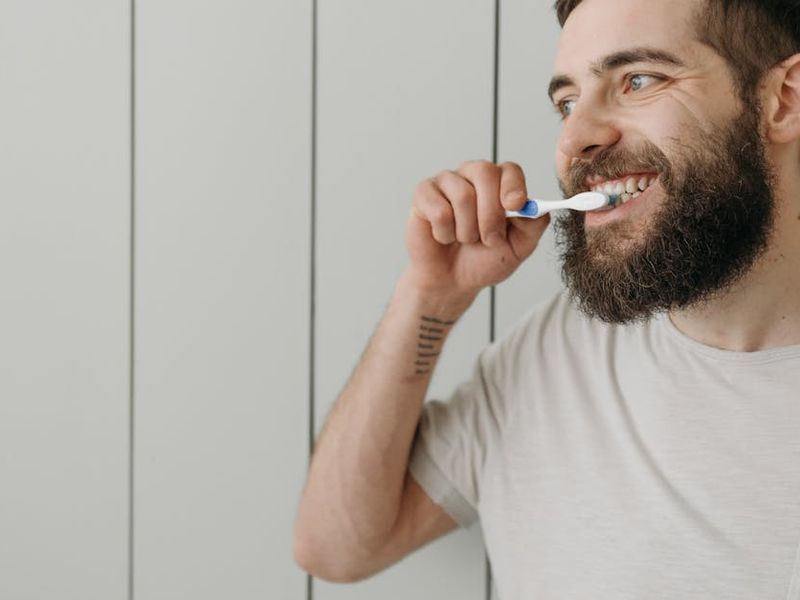
- Use a soft-bristled toothbrush and avoid brushing directly on the surgical site for several days; instead, clean around it carefully.
- Your dentist may recommend an antimicrobial rinse like chlorhexidine for a week—follow the timing and duration precisely.
- Consider an interdental brush or a syringe irrigation to clean around the neighboring teeth once your dentist approves.
You can buy soft toothbrushes, chlorhexidine and irrigation syringes at Cuenca pharmacies or large supermarkets. If you need help finding these, ask at a pharmacy near Parque Calderón or your neighborhood’s health store—staff are usually helpful and can read prescriptions.
Food and nutrition: what to eat in Cuenca during recovery
A soft, nutritious diet encourages healing and keeps your energy up. In Cuenca you can enjoy local soft foods that are easy to eat after surgery:
- Warm soups and broths—try purified vegetable soups or chicken broth (avoid hot temperature extremes).
- Cooked cereals such as oatmeal, avena or well-cooked rice softened with extra broth.
- Mashed potatoes, pureed vegetables, yogurt, cottage cheese and flan for gentle desserts.
- Blended fruit smoothies (avoid seeds and use a straw cautiously only if your dentist says it’s safe).
Avoid crunchy, chewy or very spicy local foods such as chifles (fried plantain chips), hard empanadas, or grilled meats until your dentist gives the all-clear. If you need groceries, supermarkets like Supermaxi and Tía carry easy-recovery staples; the Mercado 10 de Agosto offers fresh produce to blend into soups and smoothies.
Activity, travel and local transport advice
Cuenca’s historic center has cobblestone streets and steep slopes—take care during the first week. Recommendations:
- Arrange for a friend, taxi, or clinic transport to take you home after surgery. Walking on uneven cobbles is risky when you’re numb or taking pain meds.
- Avoid motorcycle taxis and bicycles for at least a week due to the risk of jarring the area.
- If you’re flying out of Mariscal Lamar Airport or traveling long distances, check with your surgeon about timing; implant procedures may be sensitive to cabin pressure in some cases—get a clearance note if needed.
Red flags and when to seek emergency care
Know the warning signs that require prompt attention. Contact your implant surgeon or a nearby emergency clinic if you experience:
- Persistent or increasing severe pain that does not respond to medication.
- Heavy bleeding that soaks through gauze after several hours.
- High fever (over 38°C / 100.4°F), chills, or a spreading swelling in the face or neck.
- The implant or abutment feels loose or shifts.
If you don’t speak Spanish, use clear phrases such as “Tengo dolor fuerte después de una cirugía dental” and show your clinic’s business card or paperwork to help emergency staff locate your dentist’s contact information.
Follow-up appointments and the long healing phase
Implant healing includes soft tissue closure and osseointegration—the implant integrating with the bone. Typical timelines:
- Suture removal: usually 7–10 days.
- Initial check: 1–2 weeks to ensure no infection and proper soft tissue healing.
- Osseointegration: commonly 3–6 months before placing the final crown; your dentist will monitor progress with clinical checks and possibly X-rays.
During follow-ups, discuss any plan for temporary restorations, and ask about the maintenance schedule. Routine hygiene visits in Cuenca are affordable compared to many expat home countries—ask your dentist for a recommended recall frequency (every 3–6 months early on).
Choosing a dentist or second opinion in Cuenca
If you’re new to the city or exploring dental tourism, take time to evaluate clinics: look for clinical photos of past work, patient reviews, and whether the team communicates clearly about risks and alternatives. Helpful questions to ask:
- Which implant brand and size will you use and why?
- How many implants has the surgeon placed? Can you see before-and-after photos?
- Is the bone adequate, or will you need bone grafting—what are the costs and timelines?
- What is included in the quoted price (surgery, abutment, crown, follow-ups)?
Many dentists in Cuenca offer CBCT scans and digital planning—ask whether these are included. If you need a second opinion, bring your X-rays on a CD or a printed report to the consultation.
Where to buy supplies and useful Spanish phrases
Stock up on items that help recovery: soft toothbrushes, salt, sterile gauze, ice packs, cold compresses, chlorhexidine mouthwash and an irrigation syringe if advised. You’ll find these items at major supermarkets and neighborhood pharmacies around El Centro, near the Clínica or Parque Calderón. If you need specialty dental supplies, ask at the clinic; many dentists in Cuenca sell or recommend local suppliers.
Handy Spanish phrases:
- “¿Dónde está la farmacia más cercana?” — Where is the nearest pharmacy?
- “Necesito enjuague bucal con clorhexidina.” — I need a chlorhexidine mouthwash.
- “Tengo dolor/estoy sangrando después de una cirugía dental.” — I have pain/bleeding after dental surgery.
- “¿Cuándo debo volver para la revisión?” — When should I come back for a check-up?
Smoking, alcohol and lifestyle adjustments
Tobacco use significantly increases the risk of implant failure and slows healing. If you smoke, stop at least several weeks before and several months after implant placement—ideally quit permanently. Alcohol can also impair healing and interact with medications; avoid alcohol for at least 48–72 hours post-op or as your dentist advises.
Maintain good nutrition to support tissue repair. If you have chronic health conditions (diabetes, autoimmune disease), coordinate closely with your medical provider since systemic health affects implant success.
Common myths and realistic expectations
Don’t expect instant teeth. Implants are a staged process: the screw goes into the bone first, then after healing a crown is attached. Some clinics offer immediate loading (a temporary tooth placed the same day), which can look great but depends on bone quality and surgeon expertise.
Also, implants require lifelong care—think of them as part of your body that needs checkups and good hygiene, not as a one-time fix.
Final tips for a smooth recovery in Cuenca
Plan practical details ahead: organize transport from the clinic, stock up on soft foods, have the clinic’s emergency number saved, and keep a Spanish phrase cheat-sheet on your phone. Be patient with healing—follow-up care and gentle home hygiene are your best investments in a long-term, successful result.
By preparing thoughtfully and using the local resources Cuenca offers—friendly pharmacies, accessible clinics in the historic center, and a variety of nutritious market foods—you’ll increase the odds of a comfortable recovery and a durable implant esthetic that fits your life here in the Andes.