
Table of Contents
Introduction: Dental Tourism with a Purpose
If you’re comparing dental tourism destinations, Cuenca, Ecuador deserves serious attention. Unlike mass-market options in Mexico or long-haul trips to Thailand, Cuenca combines internationally trained dentists, cutting-edge clinics, massive cost savings (typically 60–70% vs. the U.S. and Canada), and an enviable recovery environment—all inside a compact, walkable, UNESCO-listed city. Whether you’re planning implants, crowns, veneers, or a full smile restoration, Cuenca offers an unusually high return on investment: excellent dentistry at a fraction of the price and the chance to heal in one of South America’s most charming cities.
How Cuenca Compares: Cost and Value
Cost is the headline reason many people travel for dental work, and Cuenca’s savings are dramatic. A full dental implant in the U.S. or Canada—including implant, abutment, and crown—often ranges from $3,500 to $6,000. In Cuenca comparable work is commonly priced at 60–70% less. That means high-quality implants, using recognized implant systems, are frequently available for around $1,000–$1,800 per implant. Crowns and veneers follow the same pattern: where a crown may cost $1,000+ in North America, Cuenca clinics often charge $250–$500; veneers that cost $1,200–$2,500 in the U.S. can often be done for $300–$600.
These are typical ranges; exact pricing depends on materials and complexity. But the headline is consistent: Cuenca makes top-tier dental care affordable in a way that few other destinations match, and when you factor in travel costs, accommodation, and a comfortable recovery period, the overall value becomes hard to beat.
World-Class Training and Personalized Care
One of the most common misconceptions about dental tourism is that cheaper means lower quality. In Cuenca that is simply not the case. Many dentists in Cuenca graduate from reputable Ecuadorian universities and pursue advanced training in Europe, the U.S., Colombia, and Argentina. They attend international congresses, take hands-on courses, and maintain memberships in professional organizations—so you’ll find up-to-date techniques and strict sterilization protocols.
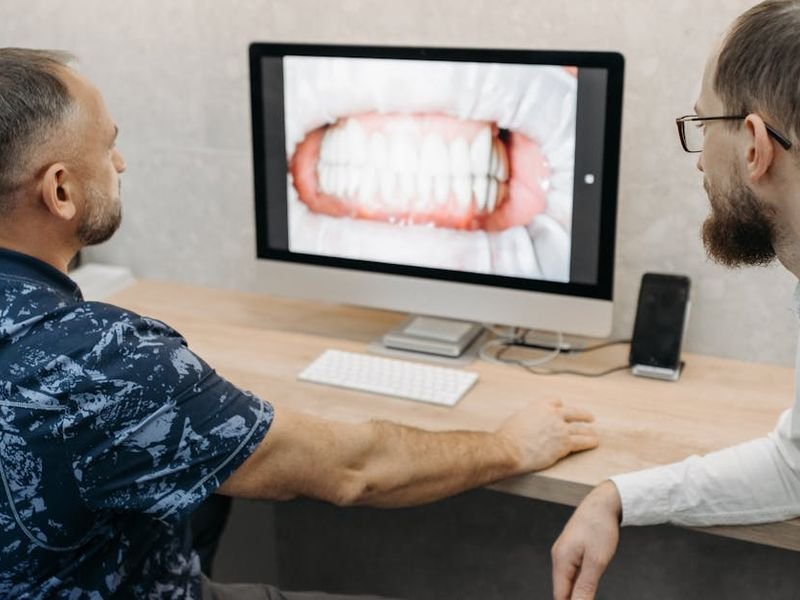
What sets Cuenca apart from many clinics in higher-volume destinations is the personalized, one-on-one approach. Clinics tend to be smaller and more patient-focused. You’ll often meet the dentist during consultation rather than be handed off to a treatment coordinator. English-speaking staff are common, and many clinics provide clear treatment plans, digital imaging, and direct lines for post-op questions—so follow-up care feels personal, not transactional.
Modern Clinics and Cutting-Edge Technology
Cuenca’s best clinics rival clinics in major global cities for technology. Digital workflows such as CAD/CAM crowns (same-day milling), CBCT 3D imaging for precise implant planning, guided implant surgery, and in-house labs with skilled technicians are widely available. Many practices use internationally recognized implant systems and high-quality prosthetic materials, reducing the risk of surprises and ensuring long-term durability.
This investment in equipment means faster treatment times, more predictable results, and—for many patients—fewer trips. Some clinics offer immediate load implants or same-day provisional teeth, while others prefer staged approaches for complex cases. The key is transparent communication: a good Cuenca clinic will lay out options, timelines, and expected outcomes so you can choose the approach that fits your schedule and budget.
The Ideal Recovery Environment
After a major dental procedure you want comfort, gentle climate, and easy access to medical support. Cuenca’s mild mountain climate—spring-like year-round—creates a restful backdrop for healing. At about 2,560 meters (roughly 8,400 feet) above sea level, the city enjoys cool, stable temperatures that keep swelling and discomfort more manageable than a hot, humid destination.
Beyond the weather, Cuenca’s compact historic center, tree-lined rivers, and soft-paced lifestyle are ideal for recuperation. You can rest in a comfortable rental or boutique hotel a short walk from a pharmacy, grocery store, and cafes. For light recovery activities there are tranquil spots like the Tomebamba River banks or Parque Calderón. If you want gentle day trips while your mouth heals, El Cajas National Park’s highland lakes and panoramic walks are within easy reach.
Vacation Opportunities: Combine Treatment with Real Travel
Unlike a rushed clinic visit, a dental vacation in Cuenca can combine excellent dentistry with cultural richness. The city’s UNESCO-listed historic center is a joy to stroll—colonial architecture, open-air markets, artisan shops (Chordeleg jewelry is nearby), and a lively café culture give you plenty of low-impact activities during recovery. Local spas, yoga studios, and wellness practitioners offer soothing complements to post-op care.
Because many procedures require limited physical exertion, you can book museum afternoons, theater nights, and gentle cooking classes while avoiding strenuous hikes or heavy lifting. Cuenca is also a great base for short escapes: day trips to nearby Andean villages, indigenous markets, or the dramatic highland scenery let you enjoy Ecuador without breaking the flow of your dental plan.
Short Wait Times and Efficient Scheduling
One advantage many patients notice is the ability to get appointments quickly. High-quality clinics in Cuenca often offer consultations within days and treatment blocks that can be scheduled to suit a two-week or multi-visit plan. That contrasts with longer waits in some parts of Mexico where high-volume tourist clinics can have packed schedules, and with Thailand where long-distance travel and time zone disruption can complicate follow-up care.
Cuenca’s clinics are experienced in planning international patients’ timelines and will often coordinate each step—consultation, imaging, surgery, and prosthetic work—so your trip is efficient. Many clinics also provide remote follow-up via WhatsApp or video calls, making it easier to monitor healing once you return home.
Safety, Cleanliness, and Aftercare
Safety standards in reputable Cuenca clinics match international norms. Autoclave sterilization, disposable materials when appropriate, and strict infection control are standard practice. Look for clinics that are transparent about sterilization protocols, have clear consents and treatment plans, and provide warranties on prosthetics or implants.
Aftercare is a particular strength: because clinics prioritize relationships with international patients, they commonly offer robust post-op packages including emergency contact lines, local pharmacy partnerships, and clear written aftercare instructions in English. Many also coordinate with local doctors or hospitals if you have medical conditions that require oversight.
Practical Tips for Planning Your Dental Trip to Cuenca
Planning is the key to a smooth dental vacation. Here are practical steps to make your trip efficient and safe:
- Research clinics carefully: review before/after photos, patient testimonials, and verify credentials. Ask about implant systems, materials, and warranty policies.
- Request a virtual consultation: most clinics offer video consults and can review photos or digital X-rays to provide a treatment estimate.
- Plan your timeline: implants sometimes require two visits (surgery and later prosthesis) but many clinics offer provisional teeth or streamlined options—discuss your preferences.
- Bring medical records: a list of medications, allergies, and prior dental x-rays helps the dentist plan safely.
- Allow time to recover: schedule at least 7–14 days in Cuenca for most implant and crown cases; complex reconstructions may need more time or two visits.
- Watch altitude effects: Cuenca’s high elevation is not a problem for most, but stay hydrated, avoid heavy exertion immediately after surgery, and consult your physician if you have cardiopulmonary concerns.
- Buy travel insurance that covers medical evacuation and unexpected complications—extra peace of mind is inexpensive compared to the alternative.
How to Choose a Cuenca Clinic: Red Flags and Green Flags
Choosing a clinic is the single most important decision. Look for green flags such as:
- Detailed treatment plans and itemized pricing in writing.
- Use of digital imaging, CBCT, and clear before/after documentation.
- Transparent policies on warranties for implants and prosthetics.
- English-speaking staff and direct access to the treating dentist.
- Evidence of continuing education and international training.
Red flags include clinics that pressure you into immediate payment, make guarantees without an exam, refuse to show credentials or before/after photos, or only communicate through third-party brokers who obscure clinical details. A trustworthy clinic welcomes questions and provides references.
Real Patient Experience: What to Expect Day-to-Day
On arrival you’ll typically have an initial consultation: a clinical exam, digital x-rays or a CBCT, and a clear treatment plan with timelines. If you’re having implants placed, the surgery day is often calm and well-coordinated—many clinics use local anesthesia with sedation options for comfort. Prosthetic work (crowns, veneers) may follow in a week or two, depending on healing and whether your clinic uses same-day CAD/CAM technology.
Most patients report that staff are attentive, recovery instruction is practical, and follow-up communication is prompt. Pharmacies are readily accessible and English-speaking pharmacists are common in tourist-friendly areas. With straightforward cases, many visitors find themselves combining effective dental work with the enjoyable pace of life in Cuenca.
Conclusion: Exceptional Value and an Exceptional City
For dental tourists who demand both quality and value, Cuenca, Ecuador stands out. The city offers internationally trained dentists, modern clinics with advanced technology, dramatic cost savings (often 60–70% vs. North America), and a tranquil, restorative environment perfect for healing. Short wait times, personalized care, and convenient logistics make Cuenca an easy choice for implants, crowns, and veneers.
Whether you want to minimize out-of-pocket costs without downgrading quality or you’re looking to pair necessary dental work with a genuinely restorative vacation, Cuenca delivers a combination that’s hard to find elsewhere. If dental tourism is on your horizon, add Cuenca to the top of your list—and start with a virtual consult to see how much you could save while upgrading your smile in one of Ecuador’s most beautiful cities.