
Table of Contents
Introduction: Make Your Dental Care a Vacation in Cuenca
If you need implants, crowns, or veneers but dread high prices and long waits at home, consider Cuenca, Ecuador — one of the world’s fastest-growing dental tourism destinations. In Cuenca you get 60–70% lower prices than the U.S. and Canada, experienced dentists trained at top universities at home and abroad, cutting-edge clinics, and a beautiful, walkable city perfect for recovery. This article explains why Cuenca is the best place on earth for dental tourism and how to plan a safe, efficient, and restorative dental vacation that blends excellent clinical care with unforgettable sightseeing.
Why Cuenca Is the Best Choice for Dental Tourism
Dental tourism is more than a cost-saving measure — it’s an opportunity to combine necessary dental care with rest, recovery, and travel. Cuenca checks every box:
- Massive cost savings: Expect roughly 60–70% savings on implants, crowns, and veneers compared to typical U.S. and Canadian prices. Many patients pay a fraction of the cost for equal or better value.
- World-class training: Dentists in Cuenca are often trained at top dental schools in Ecuador, and many hold advanced certifications or have completed fellowships and continuing education in the U.S., Europe, or Latin America.
- Modern clinics and technology: Clinics in Cuenca frequently use CBCT imaging, digital intraoral scanners, CAD/CAM milling, and high-quality materials like zirconia and porcelain.
- Short wait times and personalized care: Unlike crowded systems at home, Cuenca clinics offer prompt scheduling and one-on-one attention. Many dental tourism patients are treated on tightly coordinated timetables.
- Recovery in a tranquil city: Cuenca’s mild climate, low humidity, and charming plazas provide a peaceful environment for healing after procedures.
Which Procedures Are Ideal to Combine with a Trip to Cuenca?
Cuenca clinics routinely treat international patients for restorative and cosmetic work. The most common procedures people travel for include:
- Dental implants: Single implants, multi-implant cases, and implant-supported bridges. Many clinics offer immediate-load options when appropriate.
- Crowns and bridges: Full ceramic and zirconia crowns produced with CAD/CAM technology for a natural look and durable result.
- Porcelain veneers: Custom veneers for smile makeovers — many dentists combine conservative preparation with high-quality layering techniques.
- Full mouth rehabilitation: Complex cases integrating implants, crowns, and orthodontic stabilization.
The combination of advanced lab support and modern equipment makes Cuenca an excellent place to pursue even complex, multi-stage dental care.
Practical Planning: How to Arrange a Dental Vacation in Cuenca
Planning ahead makes your trip smoother and safer. Here are practical steps and tips:
- Initial consultation remotely: Many clinics offer virtual consultations. Send photos and prior X-rays to get a realistic treatment plan and price estimate before you travel.
- Documents to bring: Recent dental X-rays, medical history, list of medications, and travel insurance details. Bring copies of IDs and any dental records if you have them.
- Scheduling and timelines: Simple procedures like crowns or veneers may take 5–10 days with lab turnaround. Implants can be done in a single visit with healing abutments or scheduled in staged visits depending on bone health.
- Budgeting: Factor in travel, accommodation, transport, and aftercare costs. Even after flights and lodging, total savings on major work commonly exceed 50%.
- Language and communication: Many clinics have bilingual staff and translators for international patients. Still, learning basic Spanish dental terms helps and fosters a smoother experience.
Where to Stay and How to Recover in Comfort
Cuenca is compact and easy to navigate, and many clinics are within a short taxi ride of the historic center. Consider these neighborhoods and lodging options:
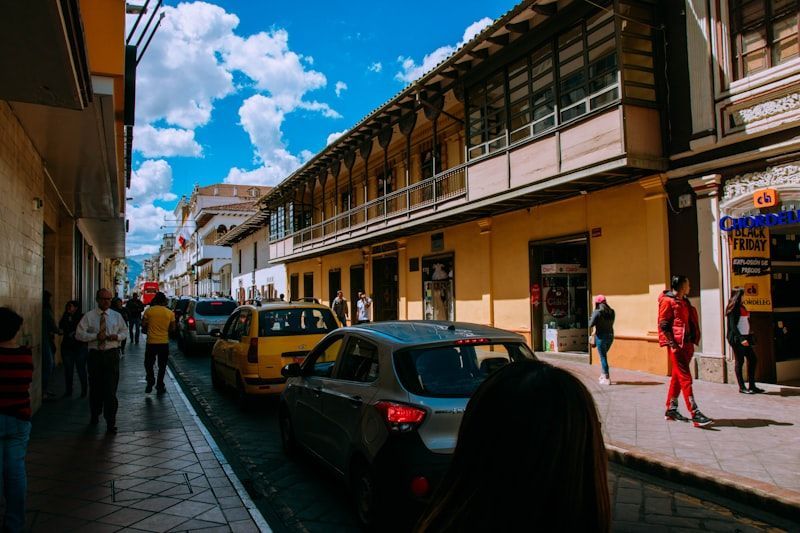
- Historic Center (Centro Histórico): Stay near Parque Calderón to be within walking distance of cafes, pharmacies, and clinics. The area is lively yet safe and is ideal for gentle walks during recovery.
- Turi and San Sebastián: Slightly higher elevation views and quieter guesthouses — perfect if you prefer a scenic lookout for rest.
- Short-term rentals and dental packages: Many clinics partner with local hotels and serviced apartments to offer packages that include pick-up, accommodation, and follow-up visits.
Cuenca’s moderate temperatures and clean air help with recovery. The city’s pedestrian-friendly plazas, tranquil cafes, and calm river walks provide the right balance of relaxation and mild activity after treatment.
Top Cuenca Attractions That Pair Perfectly with Dental Recovery
One major advantage of dental tourism in Cuenca is that sightseeing can be therapy: peaceful, culturally rich, and low-impact activities aid mental and physical recovery. Here are attractions tailored to different recovery stages.
1. Parque Calderón — Easy Strolling and People-Watching
At the heart of Cuenca, Parque Calderón is a flat, shaded square surrounded by colonial architecture. Gentle walks here are ideal the day after non-invasive procedures. The surrounding cafes offer soft foods and a comfortable place to relax with a book.
2. Catedral Nueva and Plaza San Sebastián — Photogenic, Low-Impact Visits
These iconic spots are close together and require minimal walking. You can admire stained glass, take photos from benches, and visit nearby artisan shops for souvenirs like locally made textiles and Panama-style hats.
3. Museo Pumapungo — Culture Without the Strain
This museum offers indoor exhibits and peaceful gardens where you can sit, learn about local history, and keep activity levels low. It’s a great rainy-day option and mentally engaging without physical stress.
4. Tomebamba River Walks — Gentle Therapy Along the Water
Well-maintained riverside paths are flat and forgiving. Walking along the Tomebamba provides fresh air and soft exercise, ideal for improving circulation without overexertion after dental surgery.
5. Mercado 9 de Octubre and Artisan Markets — Shopping at Your Pace
Markets let you experience local flavors, buy handcrafted jewelry from Chordeleg, or watch hat makers at work. Move at your own pace, sit frequently, and replenish energy with light Ecuadorian snacks.
6. Mirador de Turi — Scenic Views with Minimal Effort
A short taxi ride brings you to panoramic views of Cuenca. It’s a perfect half-day outing for companions or for you once you feel comfortable leaving the center — just plan for a gentle stroll and plenty of rest.
7. Day Trips (Easy Options): Gualaceo and Chordeleg
These nearby towns are famous for weaving and jewelry. Many clinics organize day trips with comfortable transport and planned stops — a low-effort cultural experience during a multi-day recovery period.
8. El Cajas National Park — Option for Later Recovery
If you’re having implant procedures with longer healing times, save El Cajas for the end of your stay. Although breathtaking, its higher elevation and hiking trails are better suited to fully healed patients or those advised by their dentist to avoid exertion.
Recovery-Friendly Activities and a Suggested Timeline
Match activities to the typical recovery timeline to balance sightseeing with healing:
- Days 1–3 (Immediate Recovery): Rest at your accommodation, gentle walks by the river, short visits to Parque Calderón, and light meals (soups, smoothies, mashed foods).
- Days 4–7 (Early Recovery): Museums, artisan markets, and café afternoons. Avoid strenuous hiking and heavy lifting. Attend follow-up dental visits and continue a soft diet if needed.
- Week 2 and beyond (Ongoing Recovery): Longer sightseeing like Mirador de Turi or day trips to Chordeleg. For implants, follow your dentist’s guidance on chewing and load-bearing activities.
Practical Tips for a Smooth Dental Vacation
Use these best practices to ensure your trip is safe and satisfying:
- Confirm follow-up care: Make sure your treatment plan includes clear follow-up instructions and options for remote consultations once you return home.
- Bring a recovery kit: Soft toothbrush, antiseptic rinse prescribed by your dentist, over-the-counter pain relievers your dentist approves, and contact information for your clinic.
- Watch altitude and hydration: Cuenca sits around 2,560 meters (8,400 ft). Drink water, take it easy on your first day, and let your body adjust — especially important after sedation or general anesthesia.
- Use local pharmacies: Medications and antibiotics are readily available. Your clinic will often supply initial prescriptions and guidance for refills locally.
- Plan travel insurance and documentation: Check whether your insurance covers complications abroad and keep all dental records and prescriptions for your home dentist’s records.
Real Value: Why the Savings and Quality Add Up
The numbers and quality create compelling value. A full implant treatment that can cost $3,000–$4,000 in the U.S. often costs a fraction of that in Cuenca — frequently in the $900–$1,400 range for a single implant, depending on materials and complexity. Crowns and veneers are similarly lower-cost. Multiply that saving for multi-tooth or full-mouth cases and you free budget for a comfortable recovery stay, companion travel, and premium materials.
But it’s not just about price. The combination of highly trained clinicians, modern equipment, and personalized care produces outcomes that often meet or exceed patient expectations. Short wait times and efficient scheduling mean you spend more time recovering and less time on administrative delays.
Aftercare and Continuity: Staying Secure When You Return Home
Good clinics in Cuenca prioritize continuity. Expect clear written aftercare instructions, medication plans, and a way to consult remotely. Before returning home, confirm:
- Which follow-up steps you should complete locally vs. remotely.
- How to reach the clinic in case of an emergency.
- Documentation to give your home dentist for future care.
Many patients also arrange a follow-up visit at their clinic of choice in their home country once a prescribed healing interval has passed.
Final Checklist Before You Book Your Dental Vacation
Use this short checklist to finish your planning:
- Obtain a remote consultation and written treatment estimate.
- Confirm clinic credentials, technology, and sample work photos.
- Book accommodation near the historic center if you prefer easy access to clinics and recovery activities.
- Arrange local transport (airport pickup, taxis, ride-shares are reliable in Cuenca).
- Pack a dental recovery kit, copies of medical records, and travel insurance details.
- Plan gentle sightseeing around your treatment and follow your dentist’s recovery timeline.
Conclusion: A Smart, Enjoyable Path to High-Quality, Affordable Dental Care
Cuenca, Ecuador, is more than a dental bargain — it’s a destination that combines expert dentistry, modern technology, and a restorative travel experience. With 60–70% cost savings, well-trained clinicians, short wait times, and a serene recovery environment, Cuenca stands out as the best place in the world for dental tourism. Pair your implants, crowns, or veneers with gentle exploration of Cuenca’s plazas, museums, artisan markets, and river walks, and return home with a healthier mouth, a refreshed outlook, and memories of a beautiful city.
Ready to plan? Start with a virtual consultation, choose a clinic with strong patient communication, and schedule enough recovery time to enjoy Cuenca’s calm charm while your smile heals.