
Table of Contents
Why Cuenca Is a Smart Choice for Retirees on Social Security
Cuenca, Ecuador regularly shows up on lists of the world’s best retirement cities for a reason: mild, spring-like weather year-round, a compact and walkable historic center, low cost of living, and an active expat community. For Americans living on Social Security, those factors add up to a lifestyle that lets your monthly benefits stretch further while keeping quality of life high.
Because Ecuador uses the U.S. dollar as official currency, municipal services are straightforward and there’s no currency conversion hassle for your benefits. Add to that access to good medical care, frequent cultural events, friendly neighborhoods, and plenty of cafes and parks, and you can see why so many retirees choose Cuenca.
Getting Residency: The Pensionado (Retiree) Visa
One of the first steps for Americans who plan to retire in Ecuador is understanding the immigration route called the pensionado visa (retiree visa). This visa is designed specifically for foreigners with a guaranteed lifetime pension — Social Security qualifies.
Typical requirements include proof of a stable pension, a clean criminal record, a valid passport, and sometimes a health certificate. Documents usually must be authenticated (apostilled) and, if in English, translated to Spanish by an official translator. You can apply at an Ecuadorian consulate in the U.S. before you move or apply after arrival through Ecuador’s immigration offices. Processing times and exact paperwork requirements change, so check the Ecuadorian consulate website or an immigration lawyer for up-to-date details.
Practical Tip: Prepare Your Documents Early
- Apostille your Social Security award letter and most recent benefit statements.
- Get a background check/police record from the FBI and have it apostilled.
- Have any required medical forms completed and translated by a certified translator if needed.
- Make copies of everything and store digital backups in a secure cloud folder.
How Social Security Works When You Move to Ecuador
Social Security payments can continue when you live abroad — most U.S. retirees receive monthly benefits without interruption. That said, there are administrative details to attend to before and after you move.
Options for receiving benefits include direct deposit into a U.S. bank account (still the simplest option), or in some cases direct deposit into an Ecuadorian bank. The Social Security Administration has rules about which foreign banks they can deposit to, so verify whether your Ecuador bank is accepted or keep a U.S. account and use international debit/transfer services to access funds.
To make monthly budgeting easier, many retirees keep a U.S. account for benefit deposits and use international bank transfers, online bill payment services, or ATM withdrawals in Ecuador. Because Ecuador is dollarized, you won’t have to worry about currency risk when you spend your benefits locally.
Budgeting: What Social Security Can Buy You in Cuenca
One of the biggest advantages of retiring in Cuenca is affordability. Below are ballpark figures to help you plan; actual costs depend on lifestyle choices such as eating out, healthcare preferences, housing location and size, and how often you travel back to the U.S.
- Modest monthly budget: $800–$1,200 — basic apartment, local groceries, public transit, limited dining out.
- Comfortable lifestyle: $1,500–$2,500 — nicer apartment or small house, private health insurance, dining out frequently, occasional travel.
- Upscale living: $3,000+ — large house, housekeeper, private schooling for dependents (if any), frequent international travel.
Rental prices vary by neighborhood. A well-located one-bedroom in or near the historic center will cost more than a larger unit outside the city core. Many retirees find good value in neighborhoods a short taxi ride from Parque Calderón or in suburbs with views of the surrounding Andes.
Healthcare: Quality, Cost, and How to Access It
Healthcare in Cuenca is one of the city’s strong selling points for retirees. The city offers a mix of public hospitals, a regional IESS facility (for those affiliated), and several private clinics with modern equipment and English-speaking doctors. Many expatriates use private clinics for convenience and faster service, while others enroll in Ecuador’s public healthcare options.
Important considerations:
- Medicare does not cover medical care outside the U.S., so U.S. retirees typically purchase international/private health insurance or pay out-of-pocket for care in Ecuador.
- Prescription medicines are generally affordable and readily available; bring a supply of specialty meds while you settle in and find a local pharmacy.
- Consider purchasing a private international plan that covers medical evacuation for serious emergencies — it provides peace of mind when living abroad.
Housing: Where to Live in Cuenca
Cuenca’s neighborhoods range from the bustling historic center to quieter residential areas and scenic hilltop districts. Deciding where to live depends on your priorities — walkability, views, quiet, proximity to hospitals, or affordability.
Common housing choices include:
- Historic Center (El Centro): Perfect for those who want to be in the middle of cultural life, walking distance to plazas, churches, restaurants and markets.
- Neighborhoods near the rivers: Offer pleasant walks, bike paths, and a balance between urban and relaxed living.
- Hills and outskirts: Provide larger properties, gardens and panoramic views — great if you want more space and don’t mind a short commute.
Short-term rentals or Airbnb stays are popular while you house-hunt. It’s wise to rent first for several months to get a feel for the city before signing a long-term lease or buying property.
Banking, Utilities and Everyday Logistics
Opening an Ecuadorian bank account is straightforward after you have your residency documents and local ID (cedula of residency). Major Ecuadorian banks such as Banco Pichincha, Banco del Pacífico, and others offer checking, savings, and debit card services. Credit cards are accepted widely, but cash is useful for many markets and small shops.
Utilities are affordable. Internet speeds in Cuenca are generally reliable in central and most suburban neighborhoods. Mobile coverage is good; local SIM cards are inexpensive and convenient. When setting up utilities and services, bring your passport, lease or property deed, and residency ID.
Daily Life: Language, Community, and Getting Around
Spanish is the main language. While many people in healthcare and tourism speak some English, learning Spanish will vastly improve your everyday life and integration. Cuenca has affordable language schools and private tutors; language exchange groups and local volunteer opportunities are great ways to practice.
Getting around is easy: Cuenca is highly walkable in the center, has an inexpensive and extensive bus network, and taxis are plentiful and inexpensive. Ride-hailing apps are available in the city. If you plan to drive, learn local traffic rules; many retirees prefer not to own a car and rely on taxis and friends.
Safety and Quality of Life: What to Expect
Cuenca is generally considered one of Ecuador’s safest cities with a relaxed pace and friendly locals. Petty crime exists — as in all cities — so sensible precautions like avoiding dark, isolated areas at night and securing belongings are recommended. Community life is active with cultural festivals, weekly markets, art galleries, and outdoor performances.
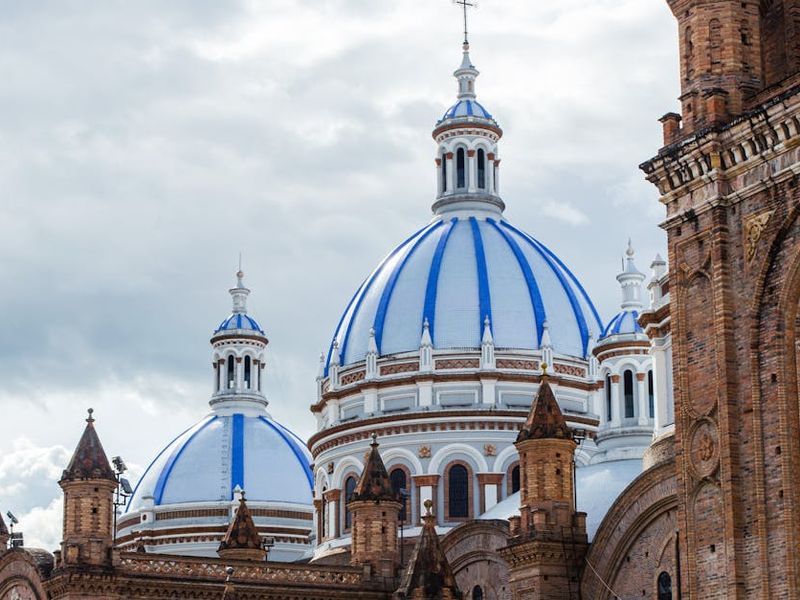
Popular local spots you’ll want to explore include Parque Calderón and the adjacent cathedral, the Pumapungo museum and archaeological park, and the viewpoint at Turi for expansive city views. Regular markets sell fresh produce and flowers; small neighborhood mercados are great spots to meet locals and learn about Ecuadorian cuisine.
Taxes, Legal Considerations, and Long-Term Planning
U.S. citizens must still file U.S. taxes while living abroad, though the details of how Social Security is taxed depend on your total income and other factors. Ecuador may tax foreign residents on worldwide income after a certain period of residency, so consult a cross-border tax professional to understand filing obligations in both countries and how to minimize double taxation.
If you plan to stay long-term, consider estate planning updates: wills, power of attorney, and medical directives should be reviewed to ensure they are valid under Ecuadorian rules and recognized by U.S. authorities as needed.
Step-by-Step Move Checklist
Here’s a practical checklist to make your transition to Cuenca smoother:
- Visit first: Spend several weeks in Cuenca to test neighborhoods and lifestyle.
- Organize documents: Social Security proof, passport, apostilled background check, and any medical records.
- Apply for the pensionado visa: Either at an Ecuadorian consulate in the U.S. or through Ecuadorian immigration.
- Set up banking and finances: Keep a U.S. account for Social Security deposits if needed; explore local bank accounts after residency.
- Find temporary housing: Use a short-term rental while hunting for a long-term rental or property to buy.
- Arrange health coverage: Research private insurance plans and local clinics, and consider international coverage for emergencies.
- Learn Spanish: Enroll in classes and join expat groups to build community.
- Register locally: Obtain your resident ID (cedula) and register with local authorities as required.
Final Tips and Where to Get Help
Leverage expat networks and local resources. Facebook groups, community meetups, language schools and local expat associations are invaluable — they share up-to-date practical tips on doctors, trustworthy realtors, recommended mechanics, and cultural nuances.
Consider hiring a bilingual attorney or relocation consultant for the pensionado visa application and to assist with property contracts or more complex legal/tax issues. And always keep digital and physical copies of vital documents.
With planning and patience, your Social Security income can support a comfortable and culturally rich retirement in Cuenca. The city offers a balance of modern conveniences and traditional Ecuadorian charm — a perfect backdrop for this new chapter of life.