
Table of Contents
Why Cuenca Is a Popular Place for Dental Care
Cuenca, Ecuador has become a go-to city for people seeking quality dental care at more affordable prices. The combination of modern private clinics, experienced dentists trained in the country and abroad, and a growing number of bilingual professionals makes it attractive for expats and dental tourists. Add a pleasant climate, rich culture, and easy access to pharmacies and labs, and you’ll understand why many combine dental work with a stay in this Andean city.
How Dental Care in Cuenca Differs from Home
Treatment styles and patient expectations may vary compared to your home country. Many Cuenca clinics emphasize efficient scheduling, thorough cleaning and sterilization protocols, and hands-on communication. While some clinics cater to international patients and offer English-speaking staff and treatment coordinators, others operate primarily in Spanish—so plan to bring a translator or ask for language support if needed.
Common Procedures You’ll Find in Cuenca
Below are the typical dental treatments performed in Cuenca, what each involves, and practical notes specific to the city.
1. Routine Cleaning and Preventive Care
Professional cleaning (scaling and polishing) is the first step for many visitors. Cleanings include tartar removal, polishing, and a short exam. In Cuenca, cleanings are affordable and a great way to meet a dentist and evaluate the clinic’s environment before committing to larger procedures.
- Typical cost: approx. $20–$50 (USD).
- What to bring: recent dental records/X-rays if you have them; list of medications.
- Tip: Many clinics offer comprehensive exams with digital X-rays at a modest additional cost—use these for accurate diagnosis.
2. Fillings
Composite (tooth-colored) and amalgam fillings are widely available. Dentists in Cuenca commonly use reputable composite materials that blend naturally with tooth color.
- Typical cost: approx. $30–$120 per filling, depending on material and size.
- Practical note: Ask about the brand of composite and curing technology—higher-quality materials last longer.
3. Tooth Extractions
Simple and surgical extractions are performed daily. For impacted wisdom teeth or complicated cases, clinics may have referral arrangements with oral surgeons or hospitals.
- Typical cost: simple extraction $30–$80; surgical/impacted extractions $100–$300+
- Aftercare: pharmacies in Cuenca can supply antibiotics and pain medication; you’ll find good English-language help at central pharmacies near the historic center.
4. Root Canal Therapy (Endodontics)
Root canals are commonly offered and often priced lower than in North America or Europe. Many endodontists in Cuenca use modern rotary instruments and sometimes offer sedation for anxious patients.
- Typical cost: approx. $120–$350 depending on complexity and tooth location.
- Important: Ask if the price includes post and core, and whether a temporary restoration or final crown is included as a follow-up.
5. Crowns and Bridges
Ceramic and porcelain-fused-to-metal crowns and bridges are available in private labs across Cuenca. Some clinics have in-house labs for faster turnaround, while others use trusted local dental laboratories that can craft high-quality restorations at lower cost than many home countries.
- Typical cost: crowns approx. $200–$600 each; bridges priced per unit plus labor.
- Timing: single crowns often require two visits separated by 1–2 weeks; some labs offer same-week service for an extra fee.
6. Dental Implants
Implants are one of the most sought-after procedures by international patients. Cuenca dentists place single-tooth implants, full-arch solutions, and work with local labs for implant crowns. Implant systems vary; reputable clinics use globally recognized implant brands, and many dentists have experience with bone grafts and sinus lifts.
- Typical cost: implant fixtures with abutment and crown approx. $700–$1,800 per tooth depending on materials and whether bone grafting is needed.
- Protocol: most implant cases require a staged approach—installation of the implant, several months of osseointegration, and later placement of the crown. Some clinics offer immediate-load options when bone quality allows.
- Tip: Confirm whether follow-up care and prosthetic work are included in the quoted price and ask about warranties.
7. Veneers and Cosmetic Dentistry
Porcelain veneers and composite bonding are popular for smile makeovers. Clinics in Cuenca offering cosmetic services often provide digital mock-ups so you can preview results.
- Typical cost: porcelain veneers approx. $200–$500 per tooth; composite bonding is cheaper but less durable.
- Advice: request before-and-after photos of previous patients and ask about the lab that fabricates veneers.
8. Orthodontics (Braces and Aligners)
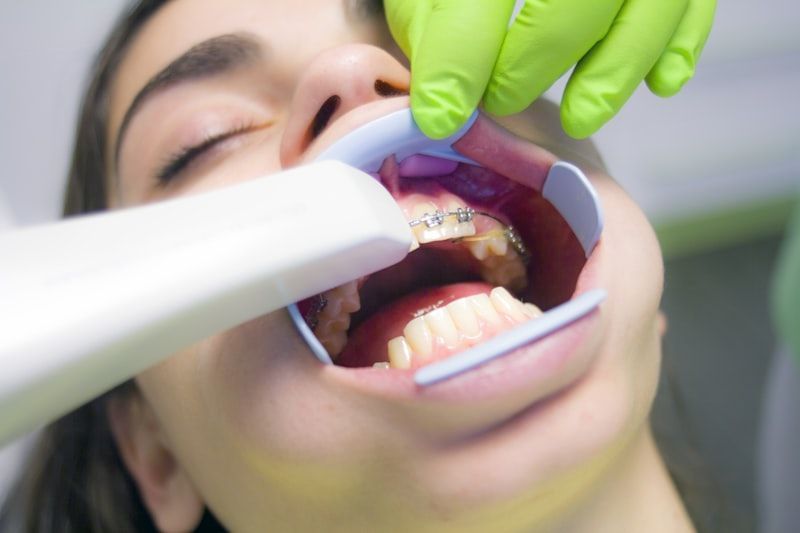
Traditional metal braces, ceramic braces, and clear aligner options are available. Treatment time is similar to global standards, although costs are typically lower. For complex cases, orthodontists in Cuenca may coordinate care with specialists in larger Ecuadorian cities.
- Typical cost: metal braces approx. $800–$1,800; ceramic braces and clear aligners are more expensive.
- Consideration: if you plan to be away during long treatment, discuss remote monitoring options and check-in schedules.
Choosing the Right Clinic and Dentist
Choosing a dentist in Cuenca involves more than price. Look for clean, modern facilities, digital X-rays, proper sterilization, and clear communication about treatment plans and total costs. Here are practical steps:
- Read recent patient reviews and ask for before/after photos for procedures similar to yours.
- Verify credentials: ask about training, years of experience, and any specialties.
- Request a written treatment plan with itemized costs, timeline, and guarantees on prosthetics.
- Ask about emergency care and how complications are handled—important if you’re a visitor rather than a local.
Understanding Costs and Payment Options
Dental prices in Cuenca are generally lower than in the U.S. or Europe, but costs vary based on materials, clinician experience, and lab quality. Most clinics accept cash (USD is the currency in Ecuador), credit cards, and bank transfers. Some offer payment plans or discounts for full upfront payment. For larger treatments like implants, clarify whether the quoted price includes all components—implant fixture, abutment, crown, and any grafting.
Language, Logistics, and Travel Tips
Language: Spanish is the primary language. Many clinics advertise English-speaking staff, especially those catering to expats and dental tourists. If you’re not fluent, bring a bilingual friend or hire a translator for key consultations.
Transport: Cuenca’s main airport, Mariscal Lamar Airport (CUE), handles domestic flights and some regional connections. Most foreign visitors arrive via Quito or Guayaquil and take a connecting flight or bus. Within the city, taxis and local buses are plentiful—ask your clinic to arrange pickup if you prefer convenience.
Neighborhoods: Consider staying near the Centro Histórico (historic center) for easy access to many clinics, labs, pharmacies, and expat services. San Sebastián and El Vergel are other neighborhoods with convenient access to dental services.
What to Expect During a Dental Visit in Cuenca
The patient flow is usually straightforward: initial consultation with a clinical exam and X-rays, presentation of treatment options, scheduling of appointments, and payment arrangements. For multi-appointment treatments like crowns and implants, labs often require 1–2 weeks for fabrication. Some clinics have in-house labs that can speed up the process for an additional fee.
Safety and Standards
Most reputable clinics in Cuenca follow international sterilization standards and use disposable or properly sterilized instruments. Don’t hesitate to ask about sterilization protocols, the use of autoclaves, and whether they use digital imaging to minimize radiation exposure. If you have concerns, request to see the sterilization area—trusted clinics welcome these questions.
Follow-Up Care and Warranties
Ask about follow-up appointments and warranties for crowns, implants, and other restorative work. Many dentists in Cuenca provide a limited warranty period for prosthetics and will address issues within that time—get the guarantee in writing and understand the terms, including travel-related limitations for international visitors.
Combining Dental Work with Travel
Cuenca is a pleasant city to recover in after dental procedures—mild climate, walkable historic districts, and plenty of pharmacies and healthy food options. Plan a realistic recovery timeline: simple procedures allow same-day sightseeing, while implants and surgical work may require rest and follow-up visits. Consider booking accommodation within walking distance of your clinic for easy access.
Emergency Dental Care in Cuenca
If you experience sudden pain or trauma, many clinics offer emergency slots or referrals to hospitals. Keep your clinic’s emergency contact and a local pharmacy number handy. If you’re an expat, enroll with your embassy or local expat networks for additional recommendations and support.
Practical Checklist Before Your Trip
- Collect past dental records and X-rays to send in advance for a remote consultation.
- Verify clinic credentials, ask for a written estimate, and confirm what is included.
- Arrange translation or an English-speaking coordinator if needed.
- Book accommodation near your clinic and arrange transport for the first visit.
- Plan for recovery time and schedule follow-up appointments before you leave.
Final Thoughts
Cuenca offers high-quality dental care that can save money without compromising on skills or materials. Doing a bit of homework—researching clinics, asking targeted questions, and planning your travel timeline—will help ensure a smooth experience. Whether you’re an expat who needs routine maintenance or a visitor seeking major restorative work, Cuenca has options to suit varied needs and budgets. With careful planning, you can leave with a healthier smile and memories of a beautiful Andean city.
If you’re preparing for dental care in Cuenca, start by contacting clinics for initial quotes and remote consultations. That step alone will give you a clearer picture of timelines, costs, and which clinic fits your comfort level.