
Table of Contents
Introduction: Why Compare Cuenca to U.S. Cities?
Choosing where to spend retirement is about more than weather and scenery — it’s about how your fixed income stretches, access to healthcare, safety, and quality of life. Cuenca, Ecuador has become a magnet for American retirees because of its mild climate, colonial charm, and lower everyday costs. This article breaks down real-world costs, compares them to common U.S. city scenarios, and gives actionable tips for Americans thinking of making the move.
Quick Snapshot: What Makes Cuenca Different
Cuenca sits at roughly 2,560 meters (about 8,400 feet) in Ecuador’s southern highlands. The city blends a UNESCO-listed historic center (around Parque Calderón) with modern neighborhoods and a sizeable expat community. Ecuador uses the U.S. dollar as its official currency, which simplifies finances for most Americans. Key advantages include lower housing and healthcare costs, plentiful public transport, and year-round spring-like weather. Downsides include altitude adjustment, limited specialty care that may require travel to Quito or Guayaquil, and Spanish as the dominant language.
Housing: Rent and Buying — How Prices Compare
Housing is usually the largest monthly expense and where retirees see the biggest savings in Cuenca.
Cuenca housing ranges
- One-bedroom apartment in the historic downtown: $300–$600/month (furnished).
- Two-bedroom modern apartment in a newer development: $400–$900/month.
- Long-term rental of a comfortable 2–3 bedroom house outside the center: $500–$1,200/month.
Compare that to U.S. cities: in high-cost cities like San Diego, Seattle, or New York, rents for a one-bedroom easily run $1,800–$3,000+. Mid-cost metros such as Phoenix, Tampa, or Austin often see one-bedroom rents in the $1,000–$1,600 range. Smaller cities and many Midwestern towns may be comparable to Cuenca, but the lifestyle difference, healthcare availability, and the dollar’s purchasing power make Ecuador attractive.
Groceries, Dining, and Daily Living
Eating in Cuenca can be very economical, especially if you adopt local habits.
- Local markets and grocery stores: monthly groceries for one person: $120–$250.
- Street food and local lunch spots (almuerzos): $2–$5; mid-range restaurant meal: $6–$15.
- Coffee shop or cafe culture is affordable: $1.50–$3 for a good cup.
In many U.S. cities, groceries for one person commonly range $250–$450/month, and eating out is significantly more expensive. If you enjoy dining at restaurants frequently, Cuenca’s prices yield big savings.
Healthcare Costs and Quality
Healthcare is a top concern for retirees. Cuenca has a mix of public hospitals, social security (IESS) facilities for contributors, and private clinics with modern equipment and English-speaking doctors in many cases.
- Doctors’ visits at private clinics: $20–$50 per visit.
- Basic lab work, imaging, and outpatient procedures often cost a fraction of U.S. prices.
- Dental work and elective procedures (e.g., cataract surgery) can be 30–70% less expensive.
Important note: Medicare generally does not cover healthcare outside the U.S. Retirees on Medicare must either maintain U.S. coverage and pay out-of-pocket abroad or purchase international/private Ecuadorian health insurance. Many expats use a combination of travel insurance, local private insurance plans, and out-of-pocket payments for care in Cuenca.
Transportation: Cars, Taxis, and Public Transit
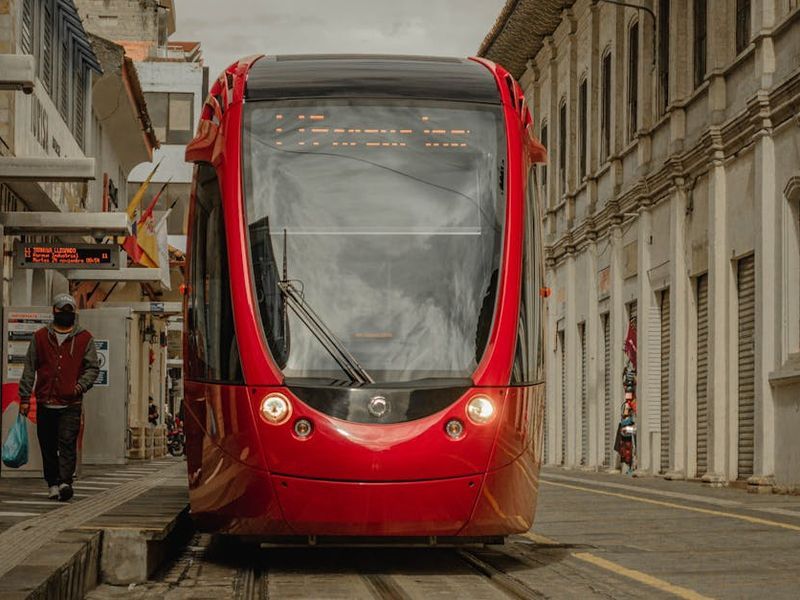
Cuenca’s compact size makes public transit and taxis affordable alternatives to car ownership.
- City bus fare: typically under $0.50 per trip.
- Taxis: short rides in the city center often cost $1–$3.
- Car ownership costs (fuel, insurance, maintenance) are generally lower than in the U.S., but imported parts can be pricier and some newer models are more expensive.
Many retirees find they don’t need a car at all if they live near the Centro Histórico or popular neighborhoods — saving on insurance, parking, and maintenance.
Utilities, Internet, and Household Services
Utilities in Cuenca are typically modest compared to U.S. averages, though they vary by usage and apartment size.
- Electricity, water, and basic utilities: $30–$80/month for a modest apartment.
- High-speed internet: $25–$45/month for reliable connections.
- Housekeeping or part-time domestic help: many expats pay $60–$200/month depending on frequency and arrangement.
Heating costs are minimal in Cuenca because of the mild climate, but some homes will need a small electric heater at night for cooler months.
Sample Budgets: Thrifty, Comfortable, and Upscale Retiree
Below are illustrative monthly budget comparisons (approximate and for planning only). All figures are in U.S. dollars.
- Thrifty retiree in Cuenca: $900–$1,400/month — shared costs, modest apartment ($300–$500), groceries $150, transport $40, utilities/internet $80, healthcare/out-of-pocket $150–$300.
- Comfortable retiree in Cuenca: $1,500–$2,500/month — 1–2 bedroom apartment near center ($600–$1,200), dining out, private insurance or frequent healthcare usage, domestic help occasionally.
- Upscale retiree in Cuenca: $2,800–$4,500+/month — larger home or premium condo, frequent travel, private international insurance, dining out often, luxury services.
For perspective, a similar lifestyle in many U.S. metro areas (comfortable mid-range) typically costs $3,000–$6,000+/month depending on housing and healthcare choices.
Taxes, Banking, and Money Transfers
Ecuador taxes residents on local-source income; the U.S. taxes citizens on worldwide income. Social Security, pensions, and investment income will still need to be reported to the IRS. There is no broad tax exemption just for living abroad, so consult a U.S. tax advisor experienced with expat returns.
Because Ecuador uses the U.S. dollar, dollar-denominated incomes and transfers are straightforward. Opening a local bank account is possible but may require residency documents. Many retirees use a combination of U.S. bank accounts, international transfer services (Wise, Remitly, banks), and local accounts for daily spending.
Residency Options and Visas for American Retirees
Ecuador offers residency paths for retirees, notably a pensioner or retiree visa that requires proof of a lifetime pension or guaranteed income. Requirements change, so confirm current rules with an Ecuadorian consulate or immigration attorney. Temporary residency can be a practical step to test the waters before committing long-term.
Key steps often include:
- Gathering proof of pension/income, background checks, and medical exams.
- Applying through an Ecuadorian consulate or applying locally if eligible.
- Registering with local authorities and setting up a local address and bank account once residency is granted.
Where to Live in Cuenca: Neighborhoods and Lifestyles
Cuenca’s mix of neighborhoods caters to many tastes:
- Historic Center (Centro Histórico) — close to Parque Calderón, colonial architecture, cobblestone streets, cafes and cultural life. Great for walkers and those who want daily activity at their doorstep.
- Quiet residential neighborhoods — slightly further from the center with larger, more modern homes, green spaces, and quieter evenings.
- Developments and gated communities on the outskirts — newer amenities, security, and larger lots, popular with families and those who want a suburban feel.
When choosing, consider proximity to hospitals, grocery stores, and expat services if language or mobility is a concern.
Language, Community, and Social Life
Spanish is the primary language in Cuenca, though many doctors, business owners, and younger Ecuadorians speak some English. Learning Spanish improves daily life enormously and helps with bureaucracy, healthcare, and building friendships. Cuenca hosts active expat groups — meetups, volunteer opportunities, and language-exchange gatherings provide social outlets and practical support for newcomers.
Safety, Health Precautions, and Practical Advice
Cuenca is generally considered safe relative to larger urban centers, but like anywhere, petty theft and scams can occur. Basic safety practices — secure doors and windows, avoid showing large sums of cash, and be cautious at night — go a long way.
Health-wise, give your body time to acclimatize to altitude. Shortness of breath, mild headaches, and tiredness are common in the first days and usually resolve. Stay hydrated, move slowly, and consult a local doctor if symptoms worsen.
Making the Move: Practical Steps and Tips
- Spend extended time in Cuenca before committing — try 1–6 months to test housing, climate, and healthcare.
- Join expat Facebook groups and local forums for apartment leads, doctors’ recommendations, and real-world pricing.
- Have an emergency fund in the U.S. and access to funds internationally for big medical events.
- Consider short-term international health insurance while you research local plans.
- Keep copies of important documents (passport, birth certificate, pension documents) and understand notarization/apostille needs for residency applications.
Final Thoughts: Is Cuenca Cheaper Than Your U.S. City?
For many American retirees, Cuenca offers a significantly lower cost of living compared with large U.S. metro areas, especially when it comes to housing, dining, and many medical services. How much you save depends on lifestyle choices: living centrally with local habits yields the most savings, while maintaining a high-end U.S. lifestyle abroad can erode those benefits.
Ultimately, the decision to move hinges on finances, health coverage, language readiness, and how much you value cultural immersion. If you’re on a fixed income and want to maintain or upgrade quality of life, Cuenca deserves a close look. Take time to research, spend an extended trial period, and consult financial and immigration professionals before making the leap.
Ready to compare your current retirement budget to Cuenca? Start by listing your largest expenses (housing, healthcare, taxes) and use the sample budgets above to see where you could save — then plan a scouting trip to experience the city firsthand.