
Table of Contents
Why Cuenca belongs on every photographer’s bucket list
Perched high in the Andes, Cuenca blends colonial architecture, riverfront charm and highland landscapes into a compact, strollable city. The luminous light at 2,500+ meters, tile roofs, ornate churches and artisan markets give you endless textures, colors and human stories to photograph. This guide breaks down the best spots, the ideal time of day, gear recommendations and the small cultural details that help you shoot better while being a respectful visitor.
Essential shooting tips for Cuenca
Before we list places, a few practical tips will make your photos sharper and your outings easier:
- Golden and blue hours are spectacular—sunrise from Turi and sunset along the Tomebamba river are prime times.
- Bring a small tripod for low-light interiors, night shots of the cathedral and long exposures on the river.
- Wide-angle (16–35mm) for architecture, a normal prime (35mm or 50mm) for street work and an 85–135mm for environmental portraits and details.
- Polarizing filter helps with reflections and contrasts on sunny days; ND filters are useful for silky-water shots in Ecuadorean páramo streams.
- At 2,500+ m your batteries may drain faster—carry spares and keep them warm in an inner pocket.
- Ask permission before photographing people, especially in markets and workshops. A few cents or a small printed photo makes a great icebreaker.
- Check drone rules before flying; many historic areas and parks restrict drones—permits may be required.
1. Parque Calderón and the Cathedral cluster — classical Cuenca
Start in the heart of the old town at Parque Calderón. The Plaza is framed by the ornate towers and blue domes of the New Cathedral (Catedral Nueva), a postcard image at any hour. Early morning gives soft light and fewer people; after sunset the cathedral is beautifully lit and fantastic for long-exposure night shots.
Shoot from the north side for symmetry, or find a café terrace to capture life on the square. Don’t forget the smaller side streets radiating from the plaza — doorways, balconies draped with geraniums and cobbled alleys are excellent for intimate compositions.
2. Tomebamba riverbanks — reflections and bridges
The Tomebamba runs beside the Old City and creates many photogenic vantage points. Walk along the riverbanks to find several historic bridges, shaded pedestrian paths and tile-roofed houses with bright window boxes. Early morning fog over the river can yield moody landscape shots; during the day, the color contrasts are vivid.
Look for reflections of historical facades in the water and experiment with long exposures for a painterly effect. The river paths also make ideal locations for candid street portraits—just be respectful and ask first.
3. Mirador de Turi — panoramic sunrises
Turi is a hilltop viewpoint offering panoramic views of the entire city. For sunrise photographers, this is unbeatable: the city’s red roofs glow and the cathedral domes rise out of a light haze. Bring a telephoto to compress layers of buildings and the distant Andean ridgeline.
Access is easy by taxi or a local bus. Arrive before dawn to scout lookout spots and avoid crowds. If you have a wide lens, include foreground elements like cacti or local vendors to add depth.
4. Pumapungo and the Inca remnants — gardens, museums and ruins
Pumapungo Archaeological Park and the attached Museo Pumapungo are a treasure trove for photographers who like combining nature with history. The restored Inca terraces, stone foundations and botanical gardens provide compelling textures and framing opportunities.
The museum’s ethnographic exhibits and outdoor gardens often have artisans demonstrating traditional crafts—great moments for cultural portraits if you ask permission. Midday can be bright here, so use a polarizer to tame glare from stone surfaces.
5. Markets and ateliers — color, craft, and character
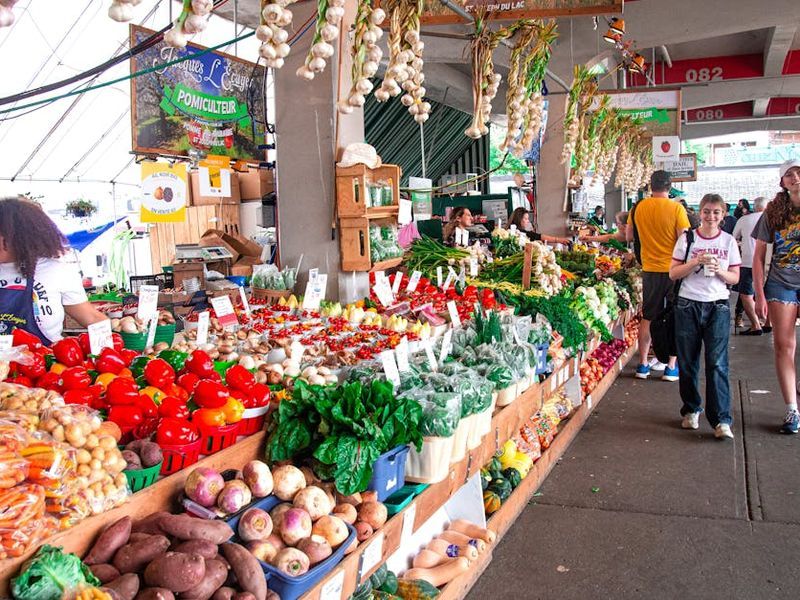
Cuenca’s markets and craft towns nearby are perfect for capturing artisanal processes and vibrant street life. In the city, the central market (often referred to as the central or 10 de Agosto market) is a great place for colorful food stalls, flower vendors and everyday portraiture.
For workshops and specialized crafts, take day trips to Chordeleg (renowned for silver filigree jewelry) and Gualaceo (textiles and weaving). These towns let you photograph artisans up close; always ask first and consider buying a small item as thanks.
6. El Cajas National Park — páramo lakes and moody landscapes
An hour’s drive west of Cuenca, El Cajas National Park is a high-altitude wonderland of glacial lakes, rolling moorland and dramatic skies. For landscape photographers, the park offers dozens of small lagoons with reflective surfaces and resilient tundra flora.
Weather in El Cajas changes quickly—layer your clothing and protect camera gear from drizzle. Low-angle sunlight and cloudbreaks create dramatic scenes; carrying an ND filter allows long exposures across the lakes for smooth water effects.
7. Rooftops, cafes and hidden courtyards — seek verticality
Cuenca’s charm is not just at street level. Many hotels, restaurants and museums around the historic center have roof terraces that offer elevated viewpoints—perfect for capturing that sea of red tiles and cathedral domes. Ask hotel staff if you can access a terrace for a sunrise or sunset shoot; many will allow it for a small purchase or fee.
Hidden courtyards (patios) behind historic facades are another gem. Spend time wandering narrow lanes off the main tourist routes and you’ll discover colorful doors, carved wood frames and quiet courtyards that make intimate frames.
8. Portraits and documentary work — connecting with locals
Cuenca’s people—artisans, street vendors, musicians and students—add humanity to your images. When photographing people, a few practices produce respectful and more authentic portraits:
- Start with eye contact and a smile; a few words in Spanish (Hola, ¿Puedo tomar tu foto?) go a long way.
- Offer to show the photo on your screen—this builds trust and often leads to better expressions.
- Consider small compensation when someone spends time posing or allowing access to a workshop.
- Focus on environmental portraits—include a slice of the artisan’s workspace to tell a richer story.
9. Night photography and creative long exposures
Cuenca transforms beautifully after dark. The cathedral and plaza lighting, river reflections and street lamps create opportunities for long-exposure work. Use a tripod and low ISO to capture crisp images, and try these ideas:
- Light trails of cars and tuk-tuks around Parque Calderón for dynamism.
- Reflections in the Tomebamba—long exposures smooth the water and emphasize illuminated facades.
- Blue hour cathedral shots—timing the exposure just after sunset yields a deep sky that contrasts with warm street lighting.
10. Practical walking routes and one-day photography itinerary
To help structure a day of shooting, try this tested itinerary that balances architecture, markets and viewpoints without rushing:
- Pre-dawn: Taxi up to Mirador de Turi for sunrise panoramic shots.
- Early morning: Walk the Tomebamba riverbanks and photograph reflections and bridges.
- Mid-morning: Explore Parque Calderón and surrounding streets—doors, balconies and street life.
- Noon: Visit Pumapungo for gardens, ruins and the museum interiors (use fill-flash or high ISO as needed).
- Afternoon: Head to a craft district or take a short trip to Chordeleg/Gualaceo for artisan portraits and close-ups.
- Sunset: Return close to the river or find a rooftop terrace for golden-hour cityscapes.
- Night: Blue-hour shots at Parque Calderón and long exposures along the river.
11. Weather, seasons and lighting considerations
Cuenca sits in a temperate Andean climate—days can be bright, but clouds and rain can appear quickly. The dry season (roughly June to September) often provides clearer skies and crisper light, while the wet months deliver dramatic skies, reflections and saturated colors. Plan around weather: stormy skies can make epic landscapes in El Cajas, while clear mornings favor architectural and rooftop work.
12. Safety, permits and respectful practices
Cuenca is generally safe for photographers, but take common-sense precautions: keep gear secure with a strap, avoid flashing expensive equipment in quiet streets, and use a modest camera bag. If you plan to shoot professionally—engagement sessions, commercial work, or drone flights—check with local authorities and property owners about permits and permissions. Respect private property and cultural sites, and pay special attention when photographing religious ceremonies or minors.
13. Post-processing ideas to enhance Cuenca images
Cuenca’s photographs often benefit from subtle adjustments in post-production. Boost clarity and texture for stone facades, selectively enhance the blues in tiled domes, and use graduated exposure adjustments to balance bright skies with shadowed streets. For market and portrait shots, gentle vibrance and skin-toned warmth help convey the city’s inviting atmosphere without oversaturation.
14. Final creative projects to consider
If you want to turn a visit into a cohesive photographic body of work, try one of these projects:
- “Doors and Windows of Cuenca” — a study of doors, balconies and frames across neighborhoods.
- “Tomebamba Reflections” — a black-and-white series of river reflections and bridges.
- “Páramo and People” — contrast highland landscapes in El Cajas with portraits of local shepherds or farmers.
- “Artisan Process” — document hat weaving, silver filigree or weaving from Chordeleg and Gualaceo in a photo essay.
Closing thoughts
Cuenca rewards slow, curious photography. Its compact center means you can revisit a corner at different times of day and capture entirely new moods. Whether you’re chasing sunrises above the city, tracing the river’s reflections, or making portraits in a busy market, the city’s textures and people give you endless opportunities to tell beautiful visual stories. Pack thoughtfully, move respectfully, and let the city’s rhythm shape your shots.