
Table of Contents
Introduction: A Dental Vacation That Actually Makes Sense
If you’re considering dental implants, crowns, or veneers, Cuenca, Ecuador should be at the top of your list. This charming Andean city has quietly become a world-class hub for dental tourism — offering dramatic cost savings, highly trained clinicians, modern clinics, short wait times, and a recovery environment that feels like a vacation. In this article we’ll walk through why Cuenca is one of the best places in the world for dental work and exactly how to plan a safe, comfortable, and smart dental vacation.
Why Dental Tourism in Cuenca Outshines Other Destinations
Dental tourism is more than cheap procedures; it’s about smart value. Cuenca delivers on every front:
- Drastically lower prices — often 60–70% less than the U.S. and Canada for implants, crowns, and veneers.
- Highly trained dentists educated at top Ecuadorian universities and with advanced training abroad.
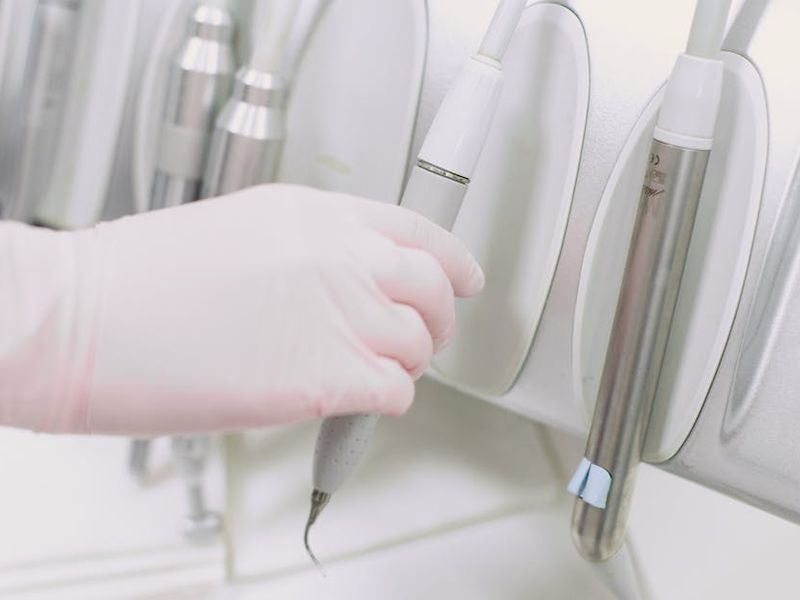
- Modern, well-equipped clinics using digital imaging, CBCT, CAD/CAM, and sterile protocols you’d expect at home.
- Personalized, one-on-one care — many clinics provide extensive consultations, digital treatment planning, and follow-up coordination.
- Shorter wait times and flexible scheduling compared to crowded systems in other countries.
- The chance to combine treatment with a cultural, comfortable recovery in an attractive UNESCO-listed city.
How Much Will You Save? Realistic Cost Comparisons
Cost is the headline motivator for most dental tourists. Typical U.S. or Canadian pricing for high-quality dental work can be steep: single dental implants can range from $2,500 to $6,000, crowns often run $800–$1,500 each, and porcelain veneers can cost $900–$2,500 per tooth. In Cuenca, you’ll commonly see:
- Dental implants: roughly $800–$2,000 (depending on implant brand and surgical complexity).
- Crowns: often $200–$450 for high-quality ceramic crowns produced with digital CAD/CAM systems.
- Veneers: approximately $150–$600 per tooth for well-crafted porcelain or composite veneers.
Those savings add up fast — even a small smile makeover of a few teeth can save you thousands, making premium options affordable where they might be out of reach at home.
Quality & Training: World-Class Dentists Near the Andes
Cuenca’s dental professionals are highly trained. Many earned degrees from Ecuador’s top dental schools, such as Universidad del Azuay and Universidad de Cuenca, and then pursued postgraduate specialization in implantology, prosthodontics, and cosmetic dentistry in the U.S., Europe, or other Latin American programs. The result is clinicians who combine strong local knowledge with global techniques.
Look for clinics that share credentials and continuing education details on their websites. Good clinics are transparent about who will perform your surgery, which implant systems they use, and how they manage sterilization and infection control.
Modern Clinics and Technology — Not Your Mother’s Dental Office
Many clinics in Cuenca mirror high-end practices in North America and Europe. Expect to find:
- CBCT 3D imaging for precise treatment planning
- Digital intraoral scanners and CAD/CAM milling for same-day crowns
- On-site or local dental labs for faster, custom prosthetics
- Sedation options and full surgical suites for implant procedures
- Strict sterilization and cross-infection control protocols
These investments in technology explain how clinics can offer excellent results at lower prices: economic efficiencies, local labs, and lower overhead compared to big-city North American clinics.
Personalized Care and Short Wait Times — The Patient Experience
One of the most-cited benefits by people who choose Cuenca for dental work is the personalized care. Many clinics operate with smaller patient loads, meaning more time with your dentist. You’ll often get:
- In-depth initial consultations (sometimes with virtual pre-screening via WhatsApp or email).
- Clear, written treatment plans and cost breakdowns in English and Spanish.
- Post-op checkups and direct contact with your provider for questions.
- Fast scheduling — you can usually get a consultation and procedure dates within days to weeks, not months.
This attention makes a difference: dental implants and cosmetic treatments often require close coordination between surgeon and prosthodontist, and Cuenca clinics deliver that teamwork without long waiting lists.
Combining Treatment with a Beautiful Recovery Vacation
Cuenca’s comfortable climate and slow-paced lifestyle are perfect for recovery. The city sits at about 2,500 meters (8,200 feet) altitude and enjoys a temperate, spring-like climate most of the year — ideal for gentle walks and relaxing days after dental work. Highlights of a dental vacation in Cuenca include:
- Historic Old Town (a UNESCO World Heritage Site) with plazas, cathedrals, and tree-lined streets.
- Riverside walks along the Tomebamba River — soothing scenery for recuperation.
- Artisan markets where you can shop for Panama (Toquilla) hats, jewelry, and textiles.
- Short day trips to Cajas National Park for easy nature treks or birdwatching.
- A vibrant café scene and low-stress dining options — perfect for soft-food diets post-surgery.
This combination of city comfort and natural beauty is a key reason many patients choose Cuenca — you don’t just get treatment, you get a restorative experience.
Practical Timelines: How Long Should You Stay?
How long you should stay depends on the treatment:
- Simple crown or veneer cases: often 3–7 days — initial consultation, preparation, and final delivery (especially when same-day CAD/CAM is available).
- Single implant placement: typically 7–10 days for placement and immediate post-op checkups, then a return visit 3–6 months later for prosthetic crown, unless immediate loading is performed.
- Full-arch solutions (All-on-4 or All-on-6): usually 7–14 days for surgery and initial prosthesis fitting, with follow-up appointments scheduled as needed.
Many clinics coordinate the final prosthetic appointment and can often ship the crown or bridge to your home country if you prefer to minimize return travel. However, for complex cases a planned return visit is commonly recommended to ensure optimal outcomes.
How to Choose the Right Clinic: Questions to Ask
Choosing a clinic is the most important step. Ask these practical questions before you commit:
- What are the dentist’s specific credentials, specialties, and implant experience?
- Which implant brands do you use and why? (Respected brands and traceable components matter for long-term care.)
- Do you have CBCT and digital planning tools? Can you show before-and-after cases?
- What is the estimated timeline, and how many visits will I need?
- What type of anesthesia or sedation do you provide?
- What are the warranty and follow-up care policies? Is emergency contact available after hours?
- Can you assist with accommodations, transportation, and local recommendations?
Reputable clinics will answer these clearly and often provide patient testimonials and photos. Many offer free virtual consultations if you send recent X-rays and photos.
Travel Logistics: Getting to Cuenca and Getting Around
Cuenca is easy to reach and travel within. Useful logistics:
- Air travel: Mariscal La Mar (CUE) is Cuenca’s small airport with domestic connections. International visitors commonly fly into Quito (UIO) or Guayaquil (GYE) and take a short domestic flight or a comfortable 3–4 hour bus or private shuttle to Cuenca.
- Currency: Ecuador uses the U.S. dollar, which simplifies pricing and payments for many North American visitors.
- Transportation: Taxis and ride apps are plentiful; many clinics offer pick-up services from hotels.
- Accommodations: options range from boutique hotels in the historic center to serviced apartments and long-stay rentals for longer recoveries.
Safety, Language, and the Expat Community
Cuenca is one of Ecuador’s safest and most expat-friendly cities. English is widely spoken in dental clinics and in the historic center thanks to the large international community. Many dentists and coordinators are bilingual, and clinics frequently work with translators to ensure clear communication throughout the treatment process.
Aftercare, Records, and Long-Term Maintenance
Good clinics provide detailed aftercare instructions and written records of your treatment — vital for future maintenance by a dentist at home. Make sure to obtain:
- Copies of the surgical report (implants placed, brands, sizes, torque values).
- Digital scans or impressions of final prosthetics.
- A post-operative care plan (oral hygiene, medications, follow-up schedule).
- Contact information for emergency questions after you return home.
Also arrange routine checkups locally — implants and prosthetics need regular professional cleanings and periodic X-rays to ensure long-term success.
Common Procedures in Cuenca: What to Expect
Here are the three most popular procedures for dental tourists and what typical treatment pathways look like:
Dental Implants
Implant placement usually involves a surgical appointment for placing the titanium implant into the jawbone. Some clinics offer immediate loading (temporary crowns the same day) for eligible patients; others follow the traditional approach with a healing period of 3–6 months before attaching the final crown. Ask about the implant brand and the surgeon’s number of cases per year.
Crowns
Crowns are commonly done with digital workflows. With CAD/CAM and in-house milling, some clinics can prepare and deliver a porcelain crown in a single visit. Otherwise, expect two visits: preparation and final cementation.
Veneers
Cosmetic veneers can range from minimally invasive composite veneers to porcelain laminates. Digital smile design is popular in Cuenca — dentists use software to preview results before treatment begins, then craft the veneers with local lab partnerships or in-house technicians.
Practical Tips for a Smooth Dental Vacation
- Start with a virtual consultation: send photos and X-rays to get an initial plan and estimate.
- Book your accommodations near the historic center for easy access to clinics and comfortable recovery strolls.
- Bring a copy of your medical history and any current medications to your first appointment.
- Plan light activities for the first week — riverside walks, café visits, and short museum trips are perfect.
- Ask your clinic about local pharmacies and where to fill prescriptions if needed.
- Confirm payment options — many clinics accept credit cards, bank transfers, or cash in U.S. dollars.
- Keep your dental records: request a complete file to share with your home dentist for long-term maintenance.
Patient Stories: Real Value, Real Smiles
Patients repeatedly tell similar stories: they arrived worried about cost and logistics, found a clinic that provided transparent planning and care, and left with high-quality work and thousands saved. For many, the best part was the one-on-one contact: dentists who spoke with them directly, clearly explained options, and followed up after they returned home. Many also appreciated the restorative downtime — enjoying quiet café culture, visiting museums, and relaxing along tree-lined plazas while healing.
Final Thoughts: The Best Place in the World for Dental Tourism?
Is Cuenca the single best place in the world for dental tourism? For many travelers seeking top-quality implants, crowns, and veneers at a fraction of the cost, the answer is a resounding yes. Cuenca offers a rare combination: highly skilled clinicians, modern technology, massive savings, personalized care, short waits, and a genuinely restorative environment for recovery. Add friendly bilingual staff, the dollar currency, and an easy travel rhythm, and you have an unbeatable dental vacation package.
If you’re ready to explore your options, start with a virtual consultation from reputable clinics in Cuenca to compare treatment plans and timelines. With a little planning, you can leave with a healthier smile, a memorable trip, and savings substantial enough to make future dental goals a reality.
Resources & Next Steps
Before you go, gather these items: recent dental X-rays or a CBCT if available, a concise medical history, and a list of questions for your prospective clinic. Reach out to clinics for virtual estimates, check patient reviews and before/after photos, and consider a short scouting stay if you want to explore options in person first. With the right clinic and plan, Cuenca can transform dental care from a financial burden into an affordable, restorative, and even enjoyable experience.
Ready to smile and save? Cuenca is waiting — a world-class dental vacation destination where excellent dentistry meets an unforgettable recovery setting.