
Table of Contents
Why Cuenca Becomes Home for So Many Americans
Cuenca’s blend of colonial charm, mild mountain climate, affordable living, and accessible healthcare draws Americans looking to slow down or reinvent life abroad. The city’s compact historic core, tree-lined riverwalks along the Tomebamba, and a steady calendar of cultural events make it easy to meet people. Beyond the tourist fado, Cuenca offers pockets of English-speaking expat life that act as social and practical anchors: groups that help with everything from paperwork to weekend hikes.
Neighborhoods Where You’ll Find Fellow Americans
Expats in Cuenca cluster in a handful of neighborhoods that balance conveniences like supermarkets, clinics, and international restaurants with the lifestyle each person prefers. Here are the most common areas and what to expect in each.
Centro Histórico (Historic Center)
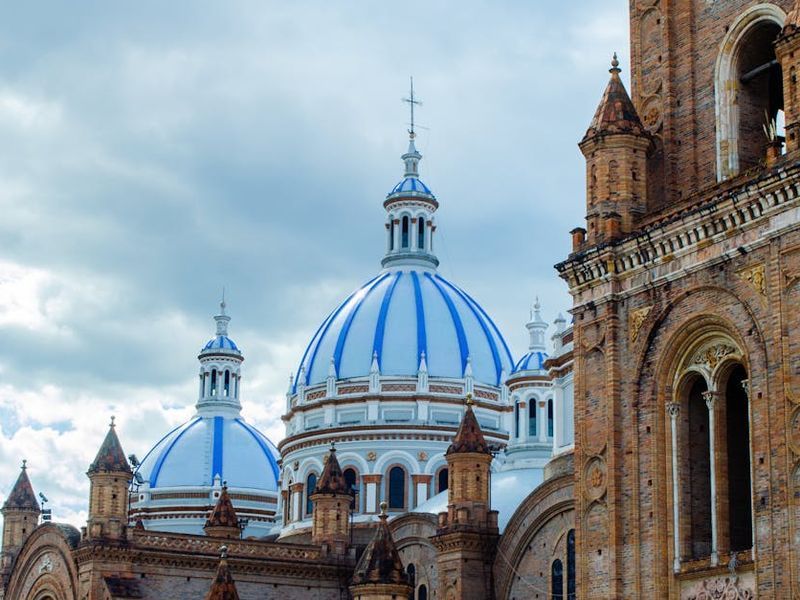
The beating heart around Parque Calderón is where many newcomers gravitate first. Living here means cobblestone streets, easy access to museums like Museo Pumapungo, numerous cafes and language schools, and an easy walk to embassies, banks, and many services. Apartments range from boutique colonial conversions to modernized flats — the upside is maximum social access; the downside can be noise and tourists during peak seasons.
Riverfront and Riverside Districts (Tomebamba)
Areas along the Tomebamba river are beloved for scenic walks, outdoor cafes, and the relaxed routine of morning joggers and dog walkers. These streets are popular for people who want the charm of old Cuenca without being in the center of nightlife. Expect to bump into fellow walkers, photographers, and English-speaking families on weekends.
Ricaurte, El Vergel and Residential Pockets
Residential neighborhoods just outside the core — often cited by long-term expats — provide quieter streets, parks, and larger apartments or houses. Families and retirees often prefer these zones for their community feel and proximity to supermarkets and clinics. Look for blocks with a mix of local Ecuadorians and international residents, which usually signal a well-established expat presence.
Daily Hangouts Where Friendships Start
Making friends in a new city often happens in the everyday places. In Cuenca, several types of venues naturally create conversation and repeat encounters.
Cafes and Coffee Shops
Cuenca’s cafe culture is fertile ground for conversation. Frequent a few neighborhood coffee shops and become a regular: baristas learn your name, conversations begin easily, and you’ll meet other expats who value the same comfortable routines. Look for bilingual menus or English-friendly staff when you’re starting out.
Parks and Riverwalks
Parque Calderón and the riverwalks by the Tomebamba are social hubs where informal groups gather for walking, birdwatching, and seasonal festivals. If you have a dog, dog parks and morning strolls are one of the fastest ways to meet neighbors. Sundays, local artisan markets and musicians make for great low-pressure socializing.
Markets and Cultural Sites
Mercado 9 de Octubre and the artisan markets around the historic center are lively community crossroads. Regulars at these markets often exchange local tips and recipes. Museums, cultural centers, and weekend art fairs are other spaces where expats and locals mingle around shared interests.
Organizations, Clubs, and Online Groups That Connect You
Formal groups and online communities make it easier to find people who share your hobbies or background. Here are categories that consistently help Americans settle and connect.
Facebook & WhatsApp Communities
Large Facebook groups like expat forums for Cuenca (search terms: “Expats in Cuenca” or “Americans in Cuenca”) act as bulletin boards for advice, events, and meetups. WhatsApp groups often form from these networks for more immediate socializing, local alerts, and language exchange coordination. Joining and participating consistently will get you invited to smaller social circles.
Meetups, InterNations, and Toastmasters
Meetup.com often lists language exchanges, hiking groups, and social dinners. InterNations has an international membership that organizes events and small gatherings geared toward newcomers. Toastmasters and similar language-focused clubs are excellent for expanding your circle while improving Spanish.
International Clubs and Volunteer Organizations
Clubs such as international women’s groups and service organizations host regular events, charity drives, and classes. Volunteering at local schools, animal shelters, or community centers does double duty: you contribute to your neighborhood and meet people with similar values. Ask at expat forums for active volunteer opportunities and how to get started.
Faith Communities and English-Language Services
For many Americans faith communities provide immediate social support and a ready-made group of friends. Cuenca has churches and congregations that offer English-language or bilingual services. These services often include volunteer programs, social hours, and small groups that welcome newcomers. Attending a few different services will help you find the style and community that fit you best.
Health, Insurance, and Practical Services Where Expats Gather
Access to healthcare and practical services is a major reason Americans form supportive networks in Cuenca. Expats exchange trusted recommendations for international clinics, dentists, physical therapists, and English-speaking doctors. Many neighborhoods near better clinics have a concentration of foreign residents because predictable, quality care is a daily priority.
Finding Reliable Providers
Ask in expat forums for recommendations and check if clinics have English-speaking staff. Many long-term expats recommend carrying a local health insurance plan supplemented with international coverage for major procedures. Group buy-ins for certain services or translators are common solutions when Spain or U.S. options are needed.
Outdoor Activities: Hiking, Biking, and the Cajas Connection
Cuenca’s proximity to Cajas National Park and a network of local trails means outdoorsy expats can quickly find companions for day hikes and weekend trips. Hiking groups and cycling clubs organize regular outings and are excellent ways to bond over shared physical challenges. If you prefer a milder pace, birdwatching groups meet along river trails and in wetland preserves.
Practical Tips to Turn Acquaintances into Friends
Making deeper connections requires intentionality. Here are practical steps that work especially well in Cuenca’s social landscape:
- Learn Spanish beyond basics — it signals respect and unlocks friendships with Ecuadorian neighbors.
- Be a regular — the same café, park bench, or class will create repeated encounters that build rapport.
- Volunteer — shared purpose accelerates trust.
- Host small gatherings — potlucks or themed dinners help create close bonds fast.
- Join hobby groups — photography, gardening, cooking classes, or language tandems provide structured interaction.
How to Navigate Culture and Etiquette
Understanding local etiquette smooths interactions and makes integration easier. Ecuadorians tend to value warmth and polite conversation. Greeting neighbors with a friendly “buenos días” or a wave in the elevator goes a long way. Social invitations may include multi-family gatherings; it’s polite to arrive a bit late in some social circles, but RSVP if invited formally. Accepting offers for coffee or food is often appreciated, and bringing a small gift if you’re invited to someone’s home is a kind gesture.
Safety, Cost of Living, and Practical Considerations
Cuenca is generally considered safe compared with many large cities, but usual urban precautions apply: keep an eye on belongings in crowded areas, choose well-lit routes at night, and use trusted transport options. The cost of living is a major draw for Americans — groceries, services, and domestic help are often cheaper than in the U.S., though imported items can carry higher prices. Many expats use a mix of local and international banking, and the U.S. dollar is Ecuador’s official currency, which simplifies financial planning.
First 90 Days Roadmap: Where to Start
If you’re new to Cuenca, here’s a simple 90-day plan to accelerate social integration: Week 1–2: Explore your neighborhood, learn the routes to key services (clinic, market, bank), and introduce yourself to neighbors. Month 1: Join at least two online groups and attend a couple of meetups or language exchanges. Month 2: Pick a hobby club (hiking, photography, cooking) and commit to a weekly or biweekly event. Month 3: Volunteer or host a small gathering — deepening relationships usually takes more than casual meetups and benefits from shared goals.
Long-Term Tips for Building a Sustainable Support Network
Over time, diversify your social circle by mixing fellow Americans, other internationals, and Ecuadorian friends. Relying exclusively on expat relationships can be comforting but limits cultural immersion. Maintain some ties back home while investing in local relationships: bilingual friendships can help with language practice and cultural exchange. Finally, be patient — meaningful friendships are built over months and years, and Cuenca’s social rhythm rewards those who participate consistently.
Final Thoughts
Finding friends and support as an American in Cuenca is less about discovering a single “expat bubble” and more about engaging with multiple entry points: neighborhood hangouts, organized clubs, volunteer roles, and everyday routines. Whether you prefer the bustle of the Centro Histórico or a quieter residential street, Cuenca offers diverse ways to connect. Bring curiosity, a willingness to learn Spanish, and a regular presence — and in time you’ll find a supportive community that fits the life you want to build here.