
Table of Contents
Why Cuenca for dental care?
Cuenca, Ecuador has become a popular destination for expats and dental tourists seeking high-quality care at lower prices than in North America or Europe. With modern clinics concentrated around El Centro Histórico and other central neighborhoods, many dentists in Cuenca work with up-to-date equipment—digital X-rays, intraoral cameras, and CAD/CAM prosthetics—and cater to English-speaking patients. This guide breaks down the most common procedures you’ll encounter, what to expect, and practical tips for navigating dental care in the city.
Overview: The most common dental procedures you’ll find in Cuenca
Whether you need simple preventive work or more advanced restorative treatment, Cuenca clinics routinely perform a wide range of procedures. The most frequent include:
- Routine cleanings and checkups (profilaxis)
- Fillings (amalgam and composite)
- Scaling and root planing (deep cleaning)
- Root canal therapy (endodontics)
- Crowns and bridges (porcelain, zirconia, metal-ceramic)
- Dental implants and bone grafts
- Extractions and minor oral surgery
- Dentures and partials
- Cosmetic treatments: veneers, whitening, bonding
- Orthodontics: traditional braces and clear aligners
Preventive care: cleanings, X-rays and early detection
Regular cleanings are the foundation of good dental health and are widely available in Cuenca. A typical prophylaxis includes scaling, polishing and an oral exam with X-rays if needed. Many clinics use digital radiography, which lowers radiation exposure and speeds up diagnosis.
Practical tip: schedule a cleaning and exam soon after arriving so the dentist can chart your baseline health. Clinics often communicate via WhatsApp or phone; if English is a concern, ask for an English-speaking assistant ahead of time.
Restorative dentistry: fillings, crowns and bridges
Fillings are the most common restorative procedure. Composite (tooth-colored) fillings are widely used for visible teeth, while amalgam is still available for posterior restorations. Crowns and bridges restore more extensive damage or replace missing teeth.
Materials: porcelain-fused-to-metal, full ceramic, and zirconia crowns are commonly offered. Zirconia is popular with international patients for its strength and natural look. Many Cuenca labs can produce crowns in-house or nearby, reducing turnaround time.
Cost and timeline: composite fillings typically require one visit; crowns usually need two visits (preparation and final placement) unless the clinic offers same-day CAD/CAM milling. Expect crown lifespans of 7–15 years with good care.
Root canals: what to expect and when they’re recommended
Root canal therapy saves infected teeth and is frequently performed in Cuenca. The procedure involves removing infected pulp, disinfecting root canals and sealing them. Many clinics provide local anesthesia and, for anxious patients, offer oral sedation.
Most root canal treatments for single-rooted teeth can be completed in one to two visits; molars may need more time. Following treatment, a crown is often recommended to protect the tooth from fracture.
Dental implants: modern tooth replacement in Cuenca
Dental implants are a major draw for dental tourists in Cuenca. Implants replace tooth roots with titanium posts, topped with an abutment and crown. The procedure typically happens in phases: implant placement, healing (osseointegration), and prosthetic restoration.
Bone grafts: when jawbone volume is insufficient, dentists commonly perform bone grafts or sinus lifts before implant placement. Experienced clinics use digital scans and, increasingly, CBCT (3D imaging) for precise planning.
Local production: many Cuenca labs fabricate implant crowns locally, often using high-quality ceramic or zirconia. Ask about the implant brand (Nobel Biocare, Straumann, AstraTech or economy brands) and any warranty for the prosthetic work.
Extractions and oral surgery
Simple extractions are routine and usually done under local anesthesia. Surgical extractions—like impacted wisdom teeth—require more time and may be done under sedation. Clinics commonly prescribe analgesics and antibiotics when indicated.
Aftercare: expect swelling and mild discomfort for a few days. Follow post-op instructions closely—avoid smoking, use cold compresses, and eat soft foods. Many pharmacies in Cuenca will fill prescriptions the same day; pharmacy staff are helpful to English speakers.
Dentures and partials: options for full or partial tooth loss
Full dentures and partials remain a cost-effective solution for multiple missing teeth. Newer options include implant-retained overdentures, which improve fit and chewing function. Cuenca labs can often create well-fitting prostheses, with adjustments provided in follow-up visits.
Tip: schedule several adjustment appointments—new dentures almost always need fine-tuning. Allow time for your mouth to adapt; expect to relearn speech and chewing patterns for a few weeks.
Cosmetic dentistry: veneers, whitening, and smile makeovers
Cosmetic options are widely available and tailored to individual goals. Porcelain veneers provide dramatic transformations, while composite bonding is a more conservative and economical alternative. In-office whitening can lift stains in one or two sessions.
Smile design: many dentists in Cuenca will take photographs and digital scans to show likely outcomes. If you’re considering major cosmetic work, ask to see before-and-after portfolios and request an estimate of how long restorations will last.
Orthodontics: braces and clear aligner options
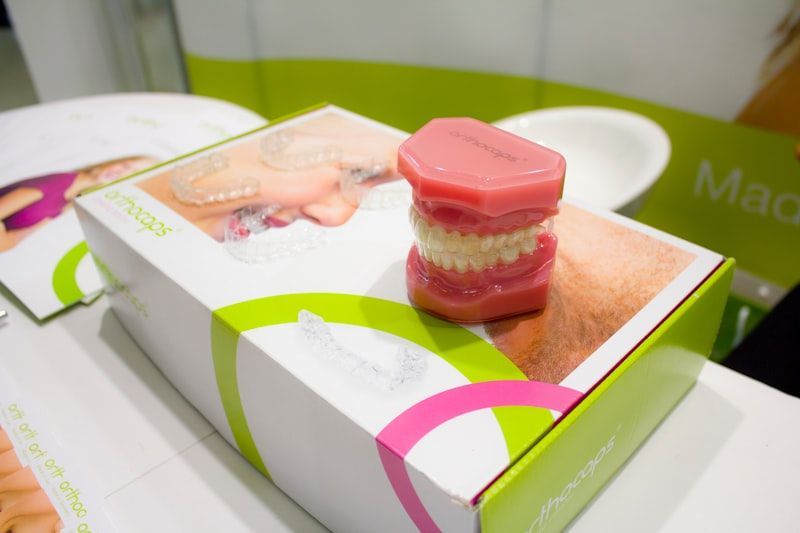
Traditional metal braces are common and effective for complex cases; many clinics also offer ceramic braces and clear aligners like Invisalign or local aligner brands. Treatment times vary widely—anywhere from 12 months to 36 months—depending on complexity.
Follow-up: orthodontic care requires frequent visits for adjustments. If you plan extended travel or return trips to your home country, coordinate care so you can maintain treatment continuity.
Sedation and pain management: comfort during procedures
Most procedures are done with local anesthesia. For nervous patients or lengthy surgeries, clinics offer oral sedation (usually benzodiazepines) and, in some cases, IV sedation administered by trained professionals. Ask about the dentist’s training and emergency protocols before proceeding.
Pro tip: if you’ll be sedated, arrange transportation home—tourist taxis and local rideshare services are readily available around central Cuenca.
How to choose the right dentist or clinic in Cuenca
Selecting a trustworthy clinic is the most important step. Here are practical criteria to evaluate:
- Cleanliness and visible sterilization protocols—autoclaves and sealed instrument pouches are good signs.
- Modern equipment—digital X-rays, intraoral cameras, and the availability of CBCT for implant planning.
- Bilingual staff—many clinics in El Centro Histórico, Ricaurte, and near Parque Calderón have English-speaking dentists or assistants.
- Referrals from the expat community—check local Facebook groups like “Expats in Cuenca” or ask at your language school or condo association.
- Written treatment plans with itemized costs, timelines, and any guarantees for lab work.
- Memberships or certifications—ask whether the dentist belongs to the local professional body (Colegio de Odontólogos del Azuay) or has international continuing education.
Costs and payment: what to budget
Ecuador uses the U.S. dollar, which simplifies payment. Clinics accept cash and increasingly accept credit cards—confirm accepted payment methods in advance. Below are rough cost ranges (approximate; clinic-dependent):
- Cleaning and exam: $20–$50
- Composite filling: $40–$120
- Crown: $200–$700
- Root canal: $80–$400
- Implant (including crown): $900–$2,000
- Veneer: $200–$700
- Full denture: $200–$700
Keep in mind that higher-end clinics with brand-name implants and imported ceramics will be at the top of these ranges. Always request an itemized quote to avoid surprises.
Dental tourism and scheduling tips
If you’re visiting Cuenca specifically for dental work, allow extra time for follow-ups and laboratory fabrication. Common strategies include:
- Book initial diagnostics (exam, X-rays, CBCT) first, then schedule restorative visits based on the lab timeline.
- Plan a two- or three-week stay for implants or crowns that require multiple steps, or space treatment across two trips if your schedule is tight.
- Use local accommodations near El Centro Histórico or the Yanuncay/Ricaurte areas to minimize travel time to clinics.
Aftercare and handling complications
Post-procedure care is straightforward: follow prescribed antibiotics and pain medications, maintain oral hygiene according to your dentist’s instructions, and avoid hard or sticky foods after crowns or extractions. If you suspect infection—persistent swelling, fever, severe pain—contact your dentist immediately; many clinics keep emergency hours or have an on-call dentist.
Keep copies of all dental records and radiographs. If you need to return to your home country for a second opinion, having well-documented treatment records speeds continuity of care.
Final considerations: balancing cost, quality and convenience
Cuenca offers an excellent balance of affordability and quality for many common dental procedures. Prices are typically lower than in the U.S. or Canada, and many dentists have international training or exposure. The key to a positive experience is research—ask questions, request credentials, view portfolios, and get a written plan before treatment begins.
Whether you need a routine cleaning or a full smile makeover, Cuenca’s dental community can provide reliable options for expats and visitors. With careful planning, clear communication, and sensible expectations, you can leave with improved oral health—and maybe even a brighter smile.
Quick checklist before your appointment
- Bring ID and any dental insurance details you have.
- Request English-language explanations if needed and confirm who will translate.
- Ask for itemized written estimates and timelines.
- Confirm clinic sterilization policies and whether digital X-rays/CBCT are used.
- Arrange for follow-up visits and get contact details for emergencies.
With these tips in hand, you’ll be well-equipped to make informed choices about dental care in Cuenca. Good oral health is achievable here—whether you’re settling in as an expat or visiting for treatment—so don’t delay that checkup or consultation.